FAA Drone Rules for Real Estate Agents in 2027: 5 Blind Spots That Catch Listings Out
Can a realtor fly their own drone for a listing? What happens when the cheap flyer has no Part 107? Airspace near airports, neighbours and open houses, and why an edited aerial is advertising — the five places the rules reach the agent, not just the pilot.
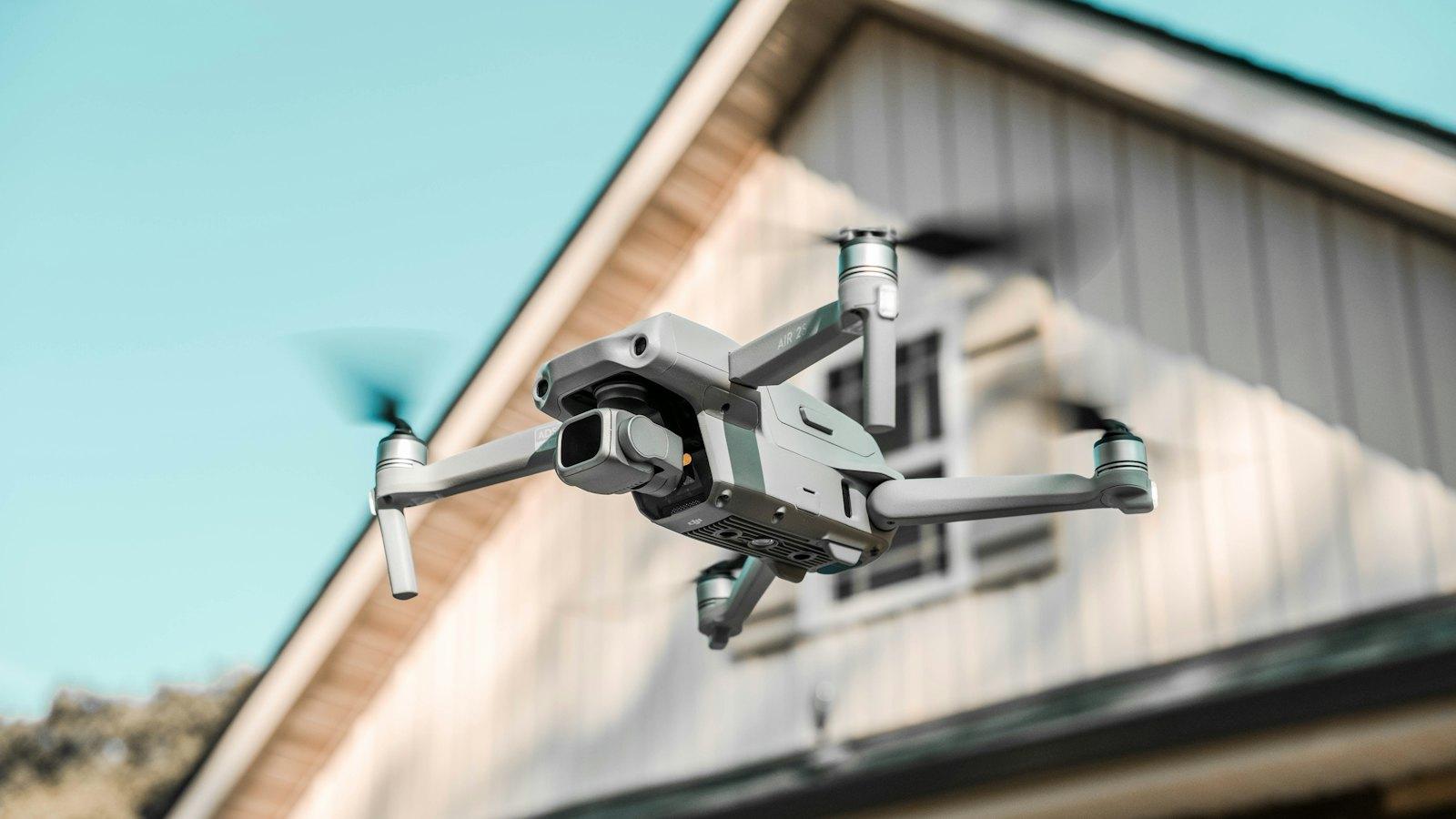
Photo: Zac Gudakov / Unsplash, Unsplash License.
Most agents know that a drone pilot needs a license. Fewer know where the rules stop being the pilot's problem and start being theirs. The listing is yours, the photos go out under your name, and some of the most common shortcuts in real estate aerials land on the agent rather than the person holding the controller.
These are the five places it happens most.
1. Your own drone, your own listing, is still commercial
This is the one that surprises people. The FAA has two ways to fly a small drone: as a recreational flyer, or under Part 107, the commercial rules. The recreational route is only for flights that are purely for fun. A flight that furthers a business is commercial, whether or not anyone pays for that particular flight.
Photographing your own listing furthers your business. So does a neighbourhood flyover for your website, or a video for your social channels. None of it qualifies as recreational, no matter how small the drone or how short the flight.
To fly your own listings legally you need:
- A Remote Pilot Certificate, earned by passing the FAA's aeronautical knowledge test at an approved testing centre, then kept current with free online recurrent training every 24 calendar months.
- The drone registered with the FAA for Part 107 use, with the registration number marked on the aircraft. For commercial flying this applies at any weight.
- Remote ID, either built into the drone or added with a broadcast module. Most current camera drones have it built in.
Plenty of agents do this and do it well. The certificate is within reach of anyone willing to study airspace charts and weather for a few weeks. Just weigh it honestly: the test is the easy part. Smooth flying, good composition and the editing that makes an aerial worth showing take far longer to learn than the rules do.
2. The cheap flyer without a certificate
The offer usually sounds like this: a friend, a seller's relative or a photographer who "also has a drone" will throw in the aerials for $50, or for nothing.
If that person has no Part 107 certificate, the flight is illegal, and enforcement falls on the person flying. That is where most people stop reading. But follow it to the listing:
- The photos are on your MLS entry and your marketing. Your name is on them, not the flyer's.
- If the drone hits a roof, a car or a person, the first question will be who arranged the flight over the client's property. An uncertified operator usually means an uninsured one.
- Your own cover may not stretch. Errors-and-omissions and general liability policies vary a lot in how they treat aviation and drone activity. If you have never asked your insurer about it, an uninsured flight on your listing is a bad time to find out.
The check takes a minute. Ask for the pilot's certificate number and look it up in the FAA's public Airmen Inquiry database. We walk through that, and the other things worth asking, in What to check before you hire a drone pilot.
3. The airport you didn't think about
Most of the country is uncontrolled airspace, where a certificated pilot can fly up to 400 feet without asking anyone. Near airports it is controlled, and a surprising amount of suburban housing sits inside it: towns that grew up around a regional airport, a municipal field or a military base.
Flying in controlled airspace needs an FAA authorization. Most come through LAANC, an automated system that often approves a request in seconds. Some locations or altitudes need a manual request instead, and those can take days. A few places are off limits altogether or only on certain days:
- Temporary flight restrictions around wildfires, major sporting events, VIP visits and emergencies, sometimes announced at short notice.
- National parks, where launching or landing a drone is banned. If the property borders park land, the pilot has to take off from somewhere else, and may not get the shot you want.
- Security-sensitive sites such as some military installations and critical infrastructure.
None of this should stop a shoot. It should stop you from promising the seller a date before the pilot has checked. Put the address in the job description, mention a nearby airport if you know of one, and let the pilot tell you whether the date is realistic.
4. Open houses, neighbours and people in the frame
Two different sets of rules meet here, and agents are usually the ones setting the schedule.
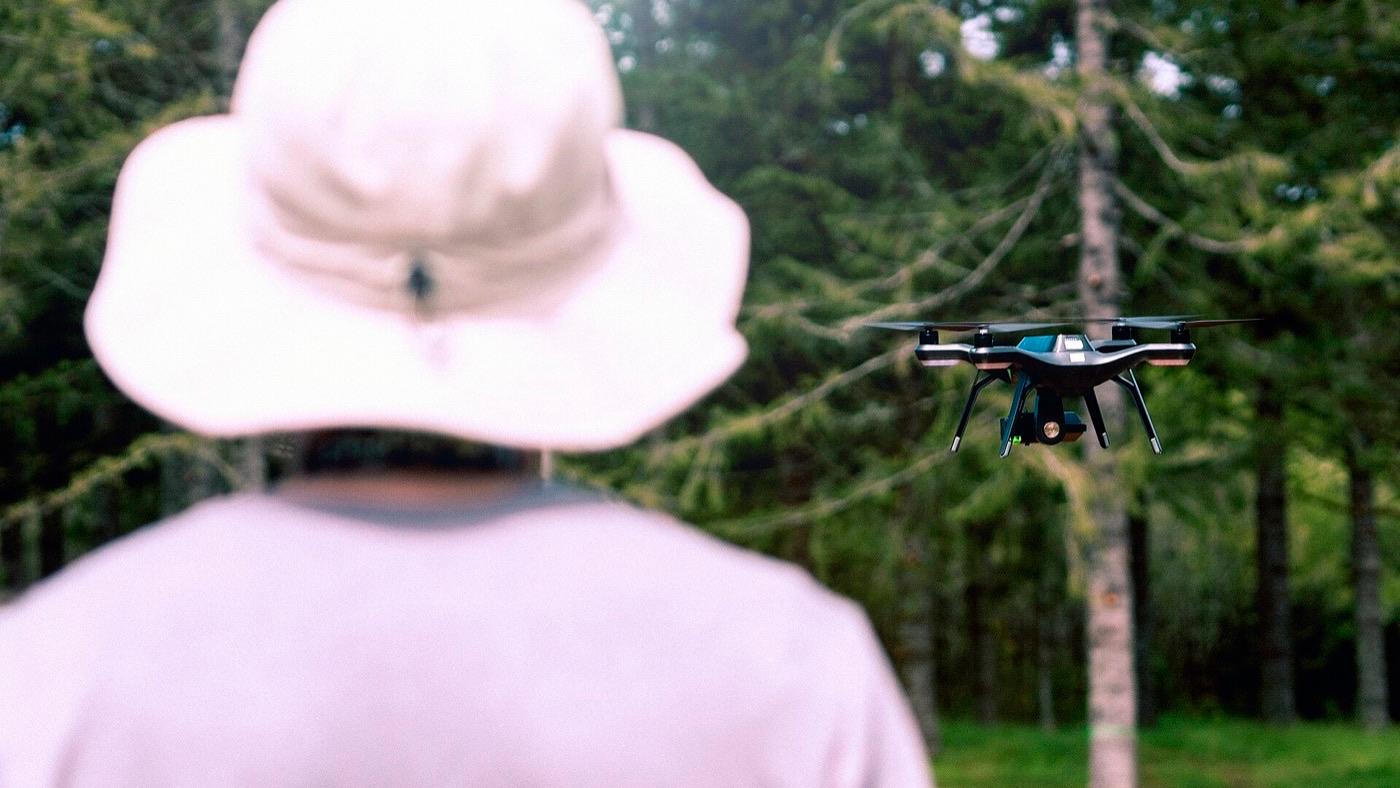
Flying over people. Part 107 restricts flying a drone directly over people who are not part of the operation, and over moving vehicles. Whether a given drone may do it depends on which category it qualifies for, and many camera drones don't qualify for the looser ones. In practice that rules out shooting during an open house, a showing or a busy afternoon at the community pool next door. Book aerials for a quiet weekday morning, with the sellers out of the yard.
Privacy. Several states have their own drone laws covering surveillance, trespass or photographing people on private property, and they differ from state to state. The safe practice is the same everywhere:
- Keep the frame on the subject property and its setting. A neighbour's house can be in a wide shot. A close look into their backyard should not.
- Don't publish images where people next door can be recognised. Crop or reshoot instead.
- Give neighbours a heads-up, especially if their houses are close. A five-minute knock prevents most complaints before they start.
- Check HOA or community rules if the pilot plans to take off from a shared area such as a clubhouse lot or a common green.
5. An edited aerial is advertising
This blind spot belongs to the agent alone, because the pilot hands over the file and you decide how to present it.
Article 12 of the NAR Code of Ethics requires REALTORS® to present a true picture in their advertising. Aerials are where that rule gets tested most often, because editing software makes it so easy to tidy up the surroundings.
| Edit | Where it usually falls |
|---|---|
| Colour, exposure, straightening the horizon | Normal finishing |
| Replacing a grey sky with a blue one | Common, but check your MLS rules. Some require disclosure of digitally altered photos |
| Boundary lines drawn on the photo | Fine when labelled approximate. Never present them as a survey |
| Removing a power line, a cell tower or the commercial building next door | Misrepresentation. The buyer will see it the day they visit |
| Greening a dead lawn or adding landscaping that doesn't exist | Treat it like virtual staging: disclose it, or don't do it |
Lot lines deserve their own warning. They are the most useful thing you can draw on a land aerial and the easiest to get wrong, because the drone's GPS and the county parcel map are both approximations. Label them "approximate" on the image itself, not only in the description, which a cropped or syndicated photo can lose.
One more: who owns the photos
This isn't a flight rule, but it causes more arguments than all five above put together. Under US copyright law the photographer owns the images by default. What you normally buy is a licence to use them for the listing. If you want them for brokerage ads, your own portfolio or a future listing of the same property, say so before the shoot and get it in writing.
The short version
Before a drone flies your listing
0 of 6 ticked
None of these rules is hard to follow. They catch agents out because each one looks like somebody else's job. A certificated, insured pilot who checks the airspace, and an agent who keeps the edits honest, covers nearly all of it.
On SkyLog, pilots list their Part 107 certificate, insurance, equipment and coverage area on their profile, so you can check all of it before you talk to anyone. Post your listing shoot free and get a price, with no commission and no obligation to hire.
Get a price from a Part 107 pilot
Describe the job once. Licensed pilots near you see it and can send you a price. Posting is free, there is no commission, and you are never obliged to hire.
Publish your job, get a priceKeep reading
 Real estate
Waterfront Listing Photos in 2027: The Aerial Shots That Show What Buyers Pay For
7 min read
 Land
Selling Land to Out-of-State Buyers in 2027: How to Show a Parcel From 1,000 Miles Away
7 min read
 Real estate
Relisting an Expired Listing in 2027: Why New Photos, Including Aerials, Are the Reset
6 min read