
For homeowners, roofers & adjusters
Drone Roof Inspection
Free to post · Usually a reply the same day
182 inspection pilots listed · Pay the pilot directly, no commission
Free to post
Two minutes, no card, no commitment.
Pay the pilot directly
No commission or markup on their price.
FAA Part 107 pilots
The license all paid drone work requires.
Usually a reply the same day
From a pilot, or from our team if no pilot has answered.
How it works
Three steps, and the first one is free
Describe the job
The form opens with this page's answers already filled in. Add the location and anything specific to your site.
A pilot near you sends a price
Pilots whose service area and services match are emailed. Usually a reply the same day, from a pilot or from our team.
Book them and pay them directly
Check their certificate, kit and sample work, then pay the pilot. SkyLog takes no cut and adds no markup.
What to know before you book
What a drone can and cannot tell you about a roof
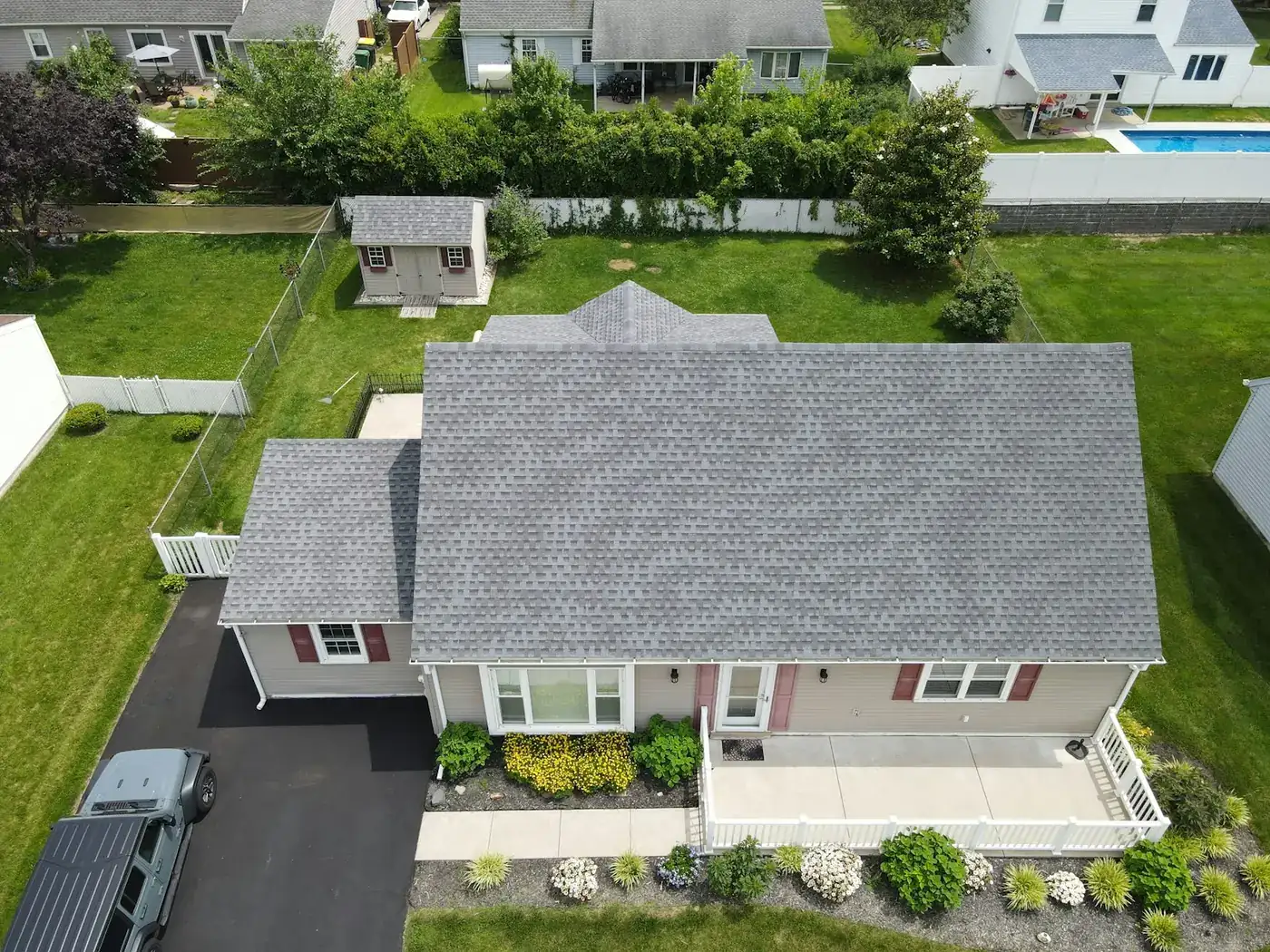
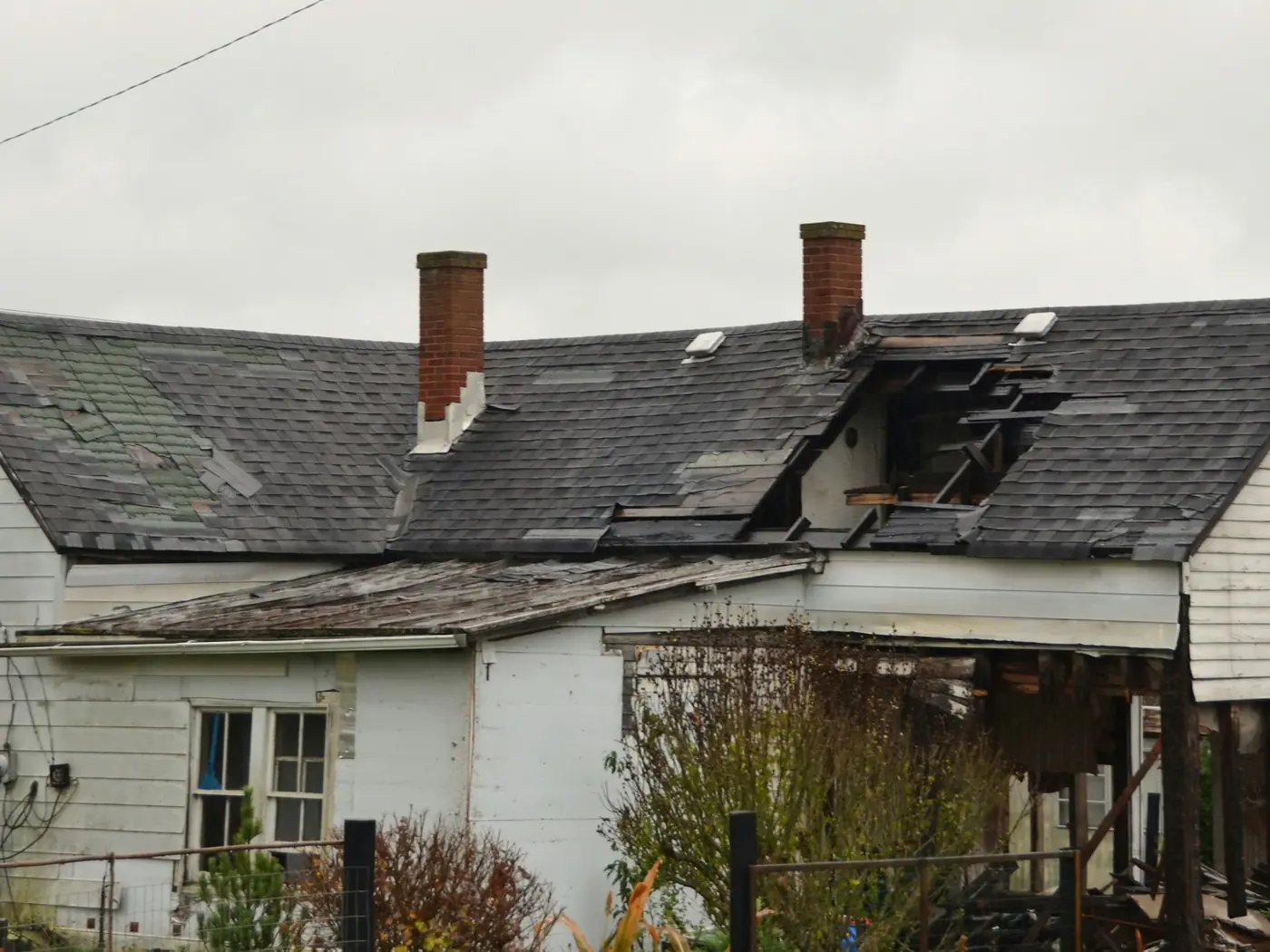
It can show you surface condition in detail: lifted or missing shingles, granule loss, hail bruising, cracked tiles, failed flashing, blocked valleys, ponding on a flat roof, and the state of penetrations and vents. With a thermal sensor and the right timing it can also show where moisture is sitting under the surface. What it cannot do is tell you the condition of the deck underneath, walk the roof to feel for soft spots, or lift a shingle to look at what is beneath. A drone survey is often the right first step and sometimes the only step you need — but a pilot who tells you it replaces every physical inspection is overselling it.
What a drone roof inspection costs
A standard residential drone roof inspection runs roughly $150 to $400 in 2026, with a typical figure around $375 for a straightforward visual survey. Adding a thermal pass usually costs another $100 to $200. Commercial and multi-building roofs run from $500 into the low thousands depending on size and how much reporting you need. Metro areas price higher than rural ones. If a quote sits far outside that band in either direction, it is worth asking what is included — an unusually low one often turns out to be raw images with no report, and that is a different product.
What drives the price
Roof size and complexity first — a simple gable is one flight, a multi-level roof with dormers and towers is several. Then deliverables: raw images cost less than a written report with annotated defects, and a thermal pass adds both equipment and a time-of-day constraint, since it usually has to be flown around dusk. Location and travel matter. So does urgency: a survey booked for tomorrow after a storm competes with everyone else who called after the same storm.
Using drone imagery for an insurance claim
Many adjusters accept dated drone imagery and thermal scans as supporting documentation, but requirements vary by carrier and by claim, so the safe move is to ask your adjuster what they need before you commission the flight. If the imagery is for a claim, say so when you post: pilots who do claims work will scope the report to it, capture the overview shots that establish the property, and know to keep the original unedited files rather than only delivering a polished set.
What this settles
- Surface condition in detail: lifted or missing shingles, granule loss, hail bruising, cracked tiles, failed flashing and blocked valleys.
- The state of penetrations, vents and gutters, and ponding on a flat roof.
- Where moisture is sitting under the surface, with a thermal sensor and the right timing.
- Dated imagery of a steep, tile or multi-level roof that is unsafe or slow to walk.
What it does not
- Tell you the condition of the deck underneath the covering.
- Walk the roof to feel for soft spots, or lift a shingle to see what is beneath it.
- Estimate remaining life, or substitute for a licensed roofer's structural opinion.
- Guarantee acceptance by an insurer. Requirements vary by carrier and by claim — ask your adjuster first.
It is often the right first step and sometimes the only step you need. A pilot who tells you it replaces every physical inspection is overselling it.
Why post it on SkyLog
Every roof type
Shingle, tile, metal, membrane, flat commercial or steep residential. The steeper and taller the roof, the bigger the advantage over a physical climb — and the more likely a ladder inspection skips the far slope entirely.
When thermal earns its cost
A thermal pass finds trapped moisture and heat loss that a visual pass cannot, because wet insulation holds heat differently after sundown. It is worth it for suspected leaks and flat commercial roofs; it adds little to a straightforward hail check.
Imagery you keep
You come away with dated, high-resolution images of the whole roof — something you can send to an insurer, a roofer or a buyer, and something a verbal opinion from the top of a ladder does not give you.
Free to post
Posting and receiving quotes costs nothing, and SkyLog takes no commission and adds no markup. You pay the pilot you hire, at the price the two of you agree.
Inspection pilots with published profiles
Real published profiles. Open any one to see credentials, kit, service area and sample work before you post.
 Andy Jones
California, United States
12 work samples
FAA Part 107 Certified Remote Pilot based in Southern California, specializing in construction documentation, infrastructure inspections, mapping, orthomosaics, and aerial imagery. With more than two decades of experience managing complex federal construction projects, I understand the importance of accuracy, safety, and delivering actionable data—not just photos. I operate professional DJI Enterprise aircraft, including the DJI Matrice 4E, DJI Matrice 4T, as well as the DJI Air 3S for high-resolution imaging and the DJI Neo 2 for specialized close-range operations. My services include construction progress documentation, roof and property inspections, land development, infrastructure photography, photogrammetry, mapping, and custom aerial imaging. I also conduct search operations for lost pets using aerial search techniques and thermal imaging. Every mission is conducted in compliance with FAA regulations, with careful mission planning, clear communication, and a commitment to delivering high-quality results on schedule. Whether you need a single inspection or recurring project documentation, my goal is to provide reliable aerial data you can confidently use to make decisions. For ground work, I use a Cannon EOS R50 for photography and video.
Real estateEventInspectionMapping / surveyConstructionAgricultureOtherFilm / TVWedding Jeremy
Texas, United States
9 work samples
I’m Jeremy, a certified Part 107 aerial operator based in Spring, Texas. I specialize in delivering clear, accurate, and high‑quality aerial data for real estate, roof inspections, insurance claims, and property marketing. With a background in collections, accounting and operations, I bring a detail‑driven, business‑minded approach to every project. I have owned Aerial Depictions & Recordings for over 3 years now. I enjoy creating images and discovering views from an aerial perspective. To me, these are more than just images - they are Aerial Depictions. Capturing life's moments and movements you will never see from the ground.
Real estateWeddingEventInspectionMapping / surveyConstructionOtherAgricultureFilm / TV Samuel Flah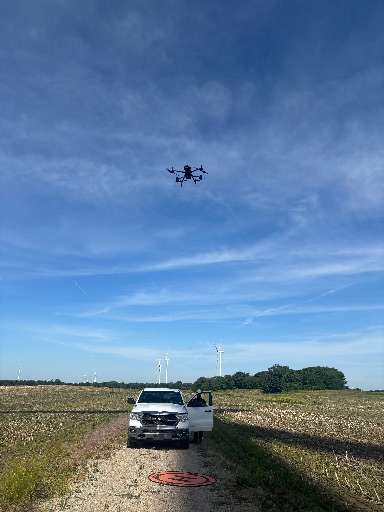
Texas, United States
9 work samples
My name is Samuel, and I’m an FAA Part 107-certified drone pilot based in the McKinney, Texas area, with more than 2 years of professional drone experience supporting wind turbine blade inspections. I also bring 8 years of experience in the wind energy industry, including 6 years specializing in composite blade inspection and repair, crew leadership, safety oversight, and field operations. My UAS experience includes conducting detailed external blade inspections using professional DJI platforms, as well as manual visual inspections. I understand the importance of capturing clear, consistent imagery while working safely and efficiently around large infrastructure. I’m currently expanding my drone services into mapping, construction, roofing, solar, infrastructure, and property inspections. I’m dependable, safety-focused, detail-oriented, and comfortable working both independently and as part of a professional field team. I’m looking forward to using my aviation and wind-industry experience to provide accurate, reliable drone data and inspection imagery for Skylog projects.
InspectionConstructionOther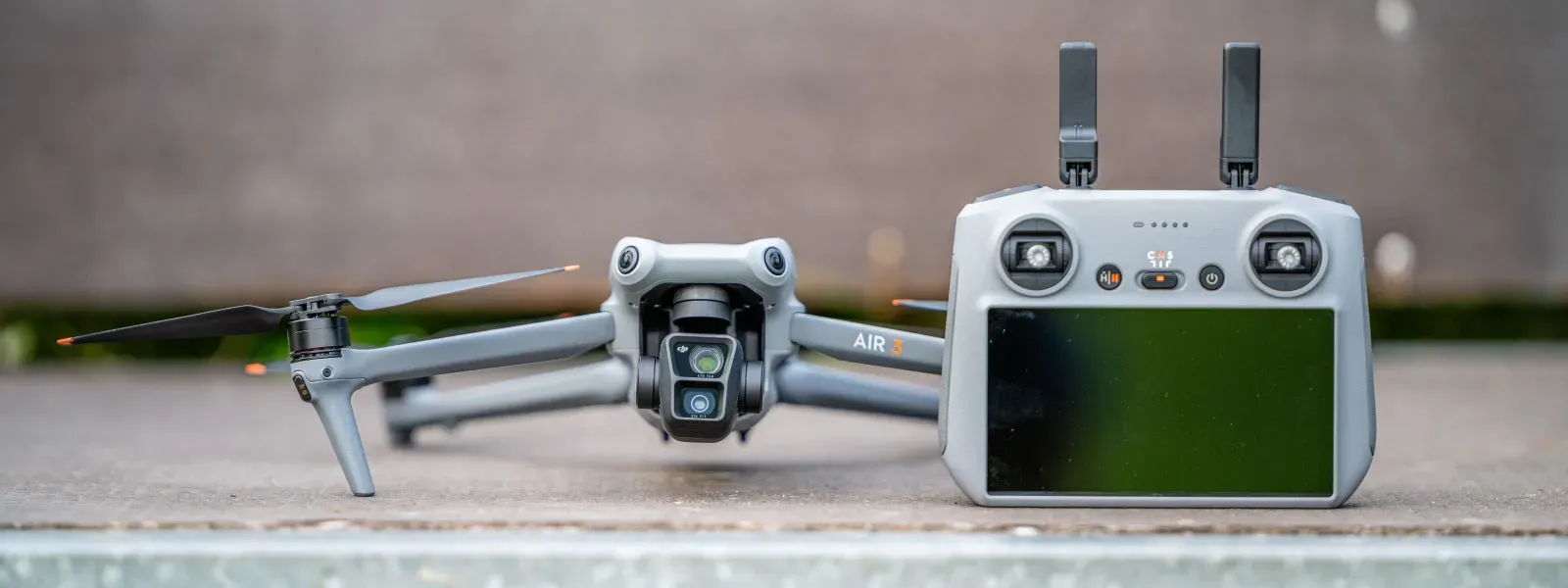 David Medina
Texas, United States
6 work samples
FAA Part 107 certified remote pilot specializing in detailed aerial asset and roof inspections. Utilizing the DJI Air 3S, I leverage its dual-camera system (1" wide and 3x telephoto) to capture sub-inch structural details and defect data safely from a distance. Equipped with obstacle sensing and forward LiDAR, I deliver precise, professional, and repeatable aerial datasets for insurance, property management, and structural evaluations.
InspectionConstructionReal estate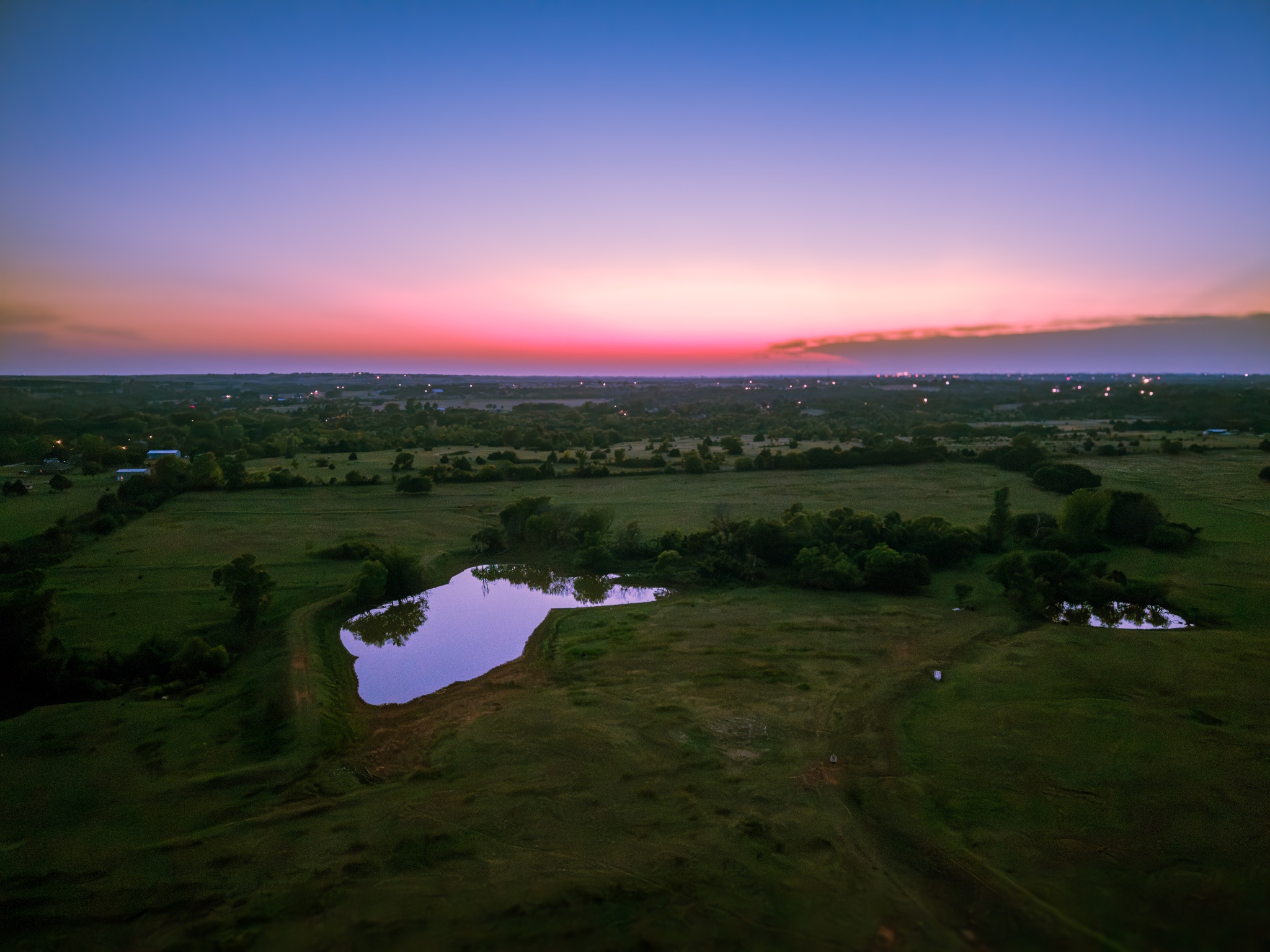 Nick Bowen
Oklahoma, United States
3 work samples
CreekBridge Media is fully Part 107 Licensed with the FAA for Commercial Drone Services and Insured for everybody's protection. All flights are thoroughly researched and planned out in advance, and all flight data is logged and archived via AirData UAV. CreekBridge media follows FAA 14 CFR Part 107 regulations for small Unmanned Aircraft Systems (sUAS) and reserves the right to deny services that are unsafe or in violation of Part 107 regulations. CreekBridge Media specializes in Real Estate, Roof Inspection, General Photography and Videography including editing.
Real estateInspectionWeddingEventConstructionOtherFilm / TV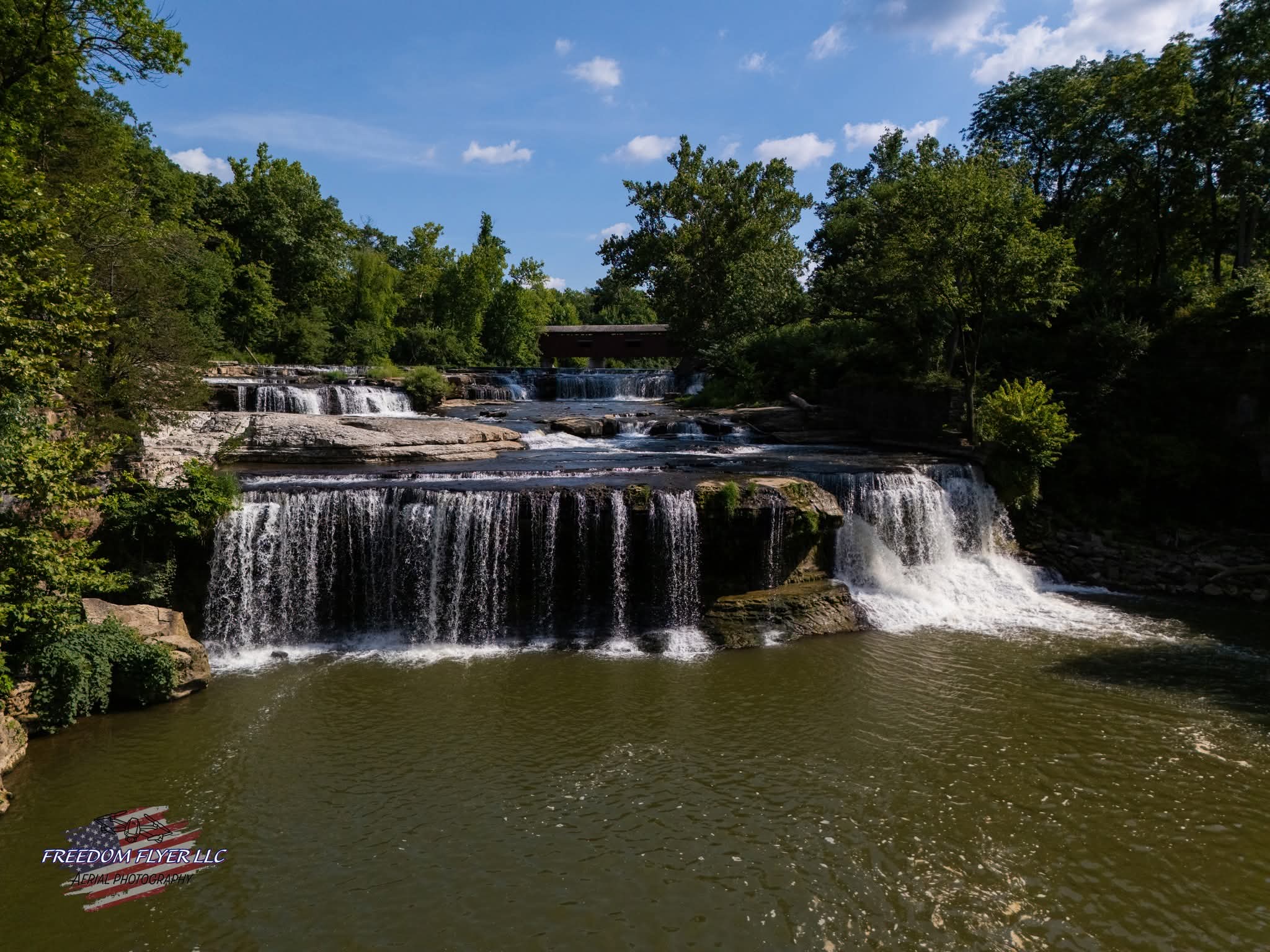 Matthew Watson
Indiana, United States
3 work samples
I am a Part 107 certified drone pilot. I have been flying drones professionally for two years and recreationally for another 3 years before that. Freedom Flyer LLC is a Christian, veteran owned company. My goal is to capture and create the highest quality aerial imagery for my customers.
Real estateEventOtherInspection
Roof inspection pilots by state
Before you post
How much does a drone roof inspection cost?
Expect $150 to $400 for a standard residential roof, commonly around $375, and another $100 to $200 if you want a thermal pass. Commercial roofs start near $500 and climb with size and reporting depth. The spread is real: pitch, height, access and how much of a written report you need all move it. Posting the roof free and comparing two or three quotes is the quickest way to find where yours sits.
How long does a drone roof inspection take?
The flight itself is usually well under an hour for a single-family home. Producing the report takes longer than flying it, so ask about turnaround separately from time on site.
Does the pilot need to come inside or onto the property?
They need lawful access to a launch point and a clear view of the roof, which normally means being on the property. They do not need to go inside or onto the roof itself.
Can a drone inspect a roof in a city or near an airport?
Usually yes, but flight in controlled airspace requires FAA authorisation, and dense urban sites bring their own constraints on where a pilot can safely launch and recover. Give the address when you post and pilots will tell you what the site needs.
Should I ask for thermal?
Ask for it if you are chasing a leak, checking a flat or low-slope commercial roof, or looking for heat loss. For hail or wind damage on a pitched residential roof, high-resolution visual imagery is normally what an adjuster wants to see.
What should a roof report actually contain?
At minimum: the date, the address, wide shots that establish the whole roof, close imagery of each elevation, and callouts on anything the pilot flags. Agree the format before the flight — a folder of unlabelled images is much less useful than an annotated set, and it is far cheaper to ask for annotation up front than to commission it afterwards.
From a job poster
The jobs nobody else would quote
“I was not expecting to have a response so quickly after calling countless different companies.”
Post your roof inspection free
Describe the roof and what you need to know, and let Part 107 pilots quote you. No commission, no obligation to hire.
Free to post
No commission · about 2 minutes