Drone Storage Tank Inspection
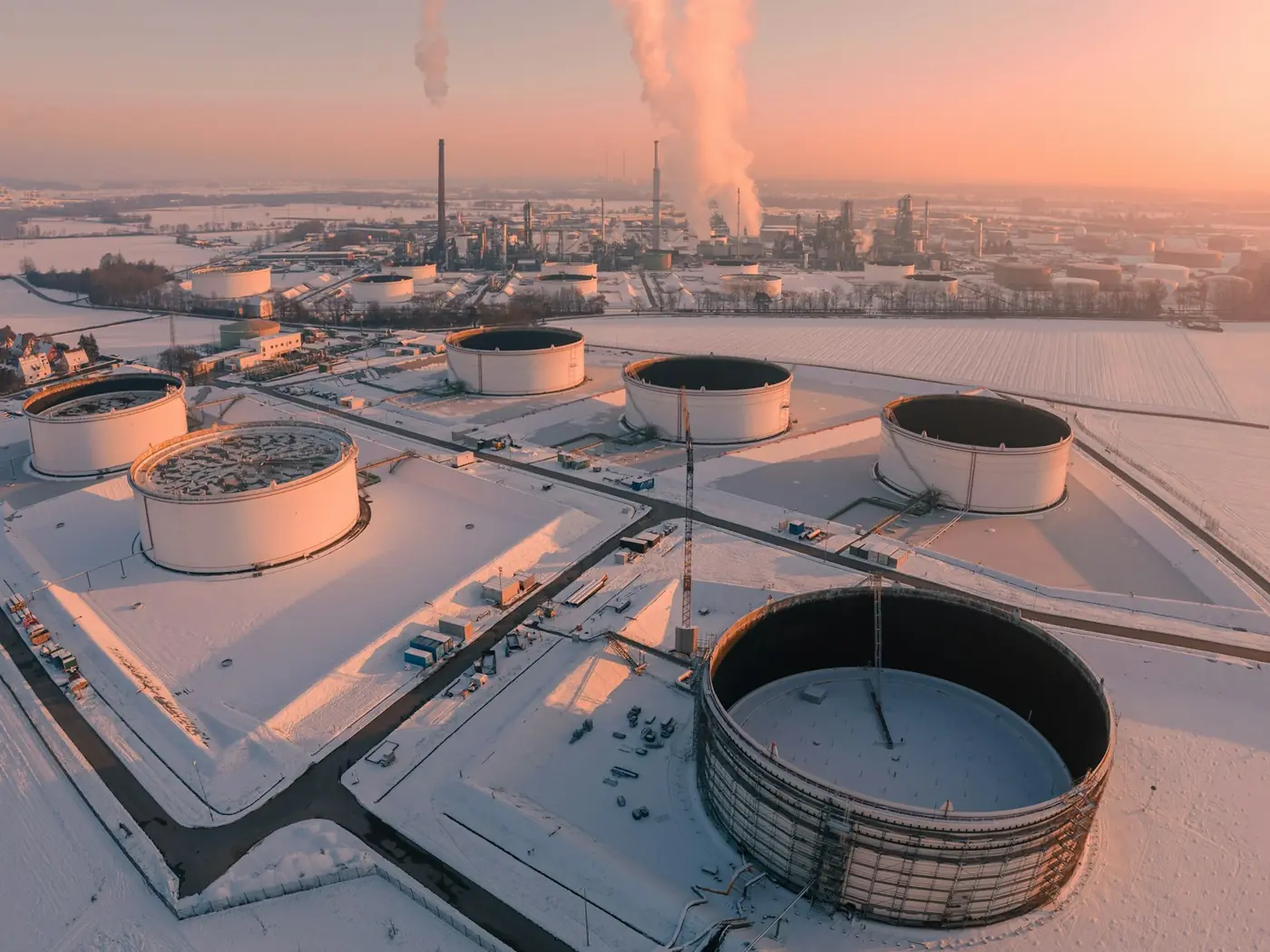
The roof of an atmospheric storage tank is a large, corroding, largely unwatched surface that people only walk when they have to — and walking a suspect roof is precisely the thing you would rather not do.
- Free to post
- No commission on the job
- Part 107 certified pilots

117 inspection pilots ready to quoteAcross 37 states & regions
Nobody on a corroded roof
Roof plate thinning is a known failure mode and the consequence of finding it by standing on it is severe. An aerial survey answers the question without putting anyone on the plate.
Shell, seals and roof in one pass
Shell coating, weld seams, nozzles, the wind girder, floating roof seals and drains, and the roof surface itself are all captured in a single flight, at a standoff no ladder gives you.
In service, so it can be routine
External survey without taking the tank out of service means condition can be tracked between statutory inspections instead of discovered at the next one.
Free to post
Posting and receiving quotes costs nothing, and SkyLog takes no commission and adds no markup. You pay the pilot you hire, at the price the two of you agree.
What this settles
- Roof plate condition, corrosion, ponding, debris, vents, gauge hatches and fittings — and on a floating roof, the seals, rim space, drains and legs.
- Shell coating, corrosion, weld seam appearance, nozzles and manways, insulation and cladding, and staining that indicates leakage.
- Wind girder, handrails, stairways and platforms at the top.
- Bund and containment condition, foundation and grouting, settlement indicators and visible pipework.
What it does not
- Measure thickness. That requires contact with the steel, and it is much of what a formal inspection is about.
- Constitute a certified inspection. Where a signed inspection is required, the inspector's certification governs and you should scope the flight with them.
- Inspect the interior. That is a separate commission needing a caged GPS-denied aircraft, its own lighting, and a gas-free certified tank.
- Get on site without product-driven rules: hazardous area requirements, permit to work, escort, gas test or management-of-change.
A tank farm is the archetypal case where surveying twenty tanks in one mobilisation costs a fraction of twenty separate visits. Post the whole farm rather than the worst tank.
How it works
Three steps, no account needed to start, and nothing to pay at any point in it.
- 1
Describe the job
The form opens with this page's answers already filled in — service, deliverable, site access. Add the location and anything specific to your site.
- 2
Pilots quote it
Every pilot whose service area and services match is notified. You get itemised quotes back with their credentials, kit and sample work attached.
- 3
Compare and hire
Pick on price, proximity or portfolio, and pay the pilot directly. SkyLog takes no cut and adds no markup to what you agree.
Inspection pilots with published profiles
Real published profiles. Open any one to see credentials, kit, service area and sample work before you post.
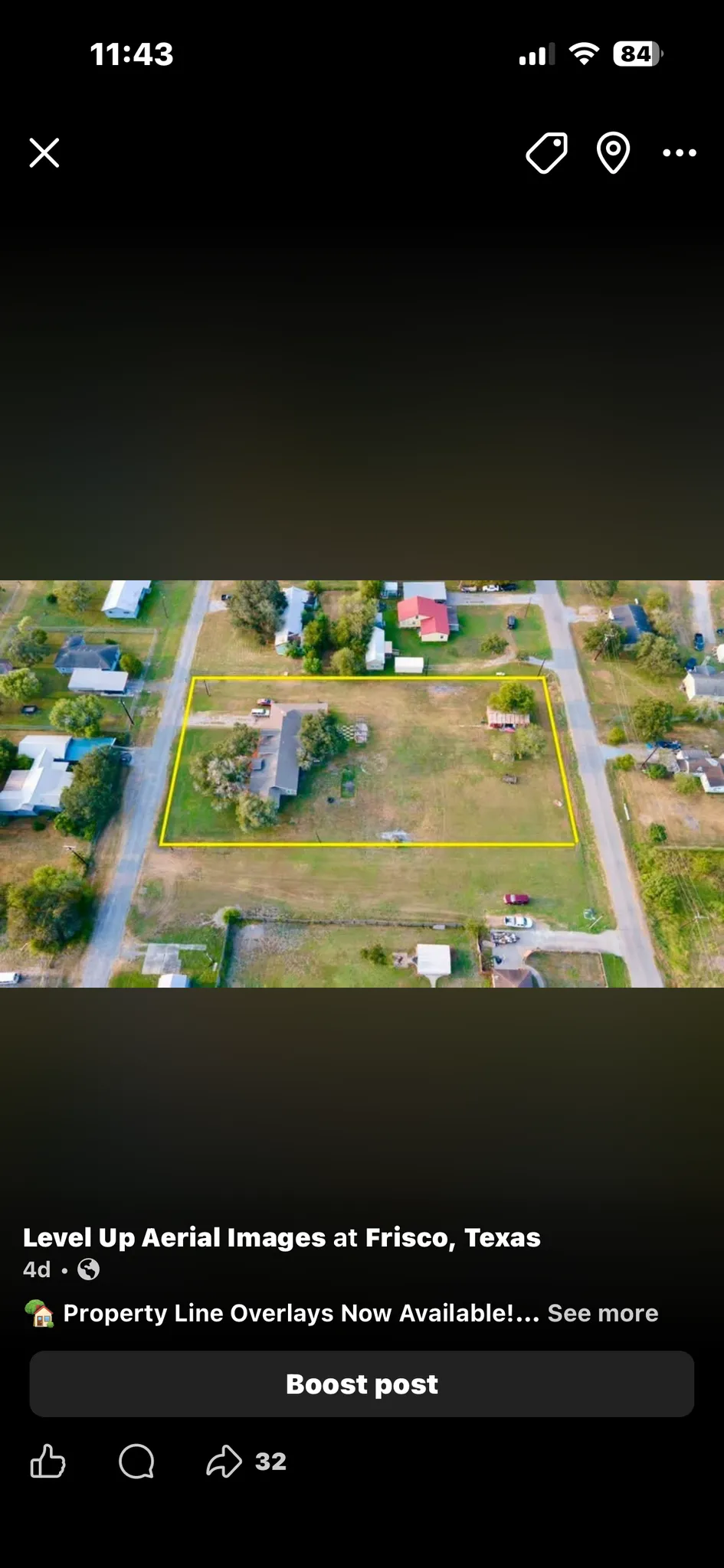 chris aldridge
Texas, United States
20 work samples
I’m a commercial drone pilot providing aerial mapping, property line overlays, topographic mapping, construction site data, radiometric thermal inspections, 3D modeling, real estate listing photography and video, property marketing, and professional aerial imagery for businesses and landowners.
Real estateWeddingEventInspectionMapping / surveyFilm / TVConstructionOther- George Benes

Oregon, United States
13 work samples
I've been a Part 107 drone pilot since 2019, working with Pacific Northwest clients on Real estate, construction progress, mapping, telecom inspections, architectural photography and events. I am very flexible and can provide deliverables within 24 - 48 hours. I take great pride in my work and having a photography business, my delivered photos are edited and culled to the best of the best. I worked for 30+ years as a commercial construction Superintendent, managing multi-million dollar construction projects and this experience allows me to be very safety oriented and knowledgeable on construction sites, providing the construction companies with usable deliverables that they can share with all stakeholders involved in their building project.
Real estateEventInspectionMapping / surveyConstruction  Andy Jones
California, United States
12 work samples
FAA Part 107 Certified Remote Pilot based in Southern California, specializing in construction documentation, infrastructure inspections, mapping, orthomosaics, and aerial imagery. With more than two decades of experience managing complex federal construction projects, I understand the importance of accuracy, safety, and delivering actionable data—not just photos. I operate professional DJI Enterprise aircraft, including the DJI Matrice 4E, DJI Matrice 4T, as well as the DJI Air 3S for high-resolution imaging and the DJI Neo 2 for specialized close-range operations. My services include construction progress documentation, roof and property inspections, land development, infrastructure photography, photogrammetry, mapping, and custom aerial imaging. I also conduct search operations for lost pets using aerial search techniques and thermal imaging. Every mission is conducted in compliance with FAA regulations, with careful mission planning, clear communication, and a commitment to delivering high-quality results on schedule. Whether you need a single inspection or recurring project documentation, my goal is to provide reliable aerial data you can confidently use to make decisions.
Real estateEventInspectionMapping / surveyConstructionAgricultureOtherFilm / TVWedding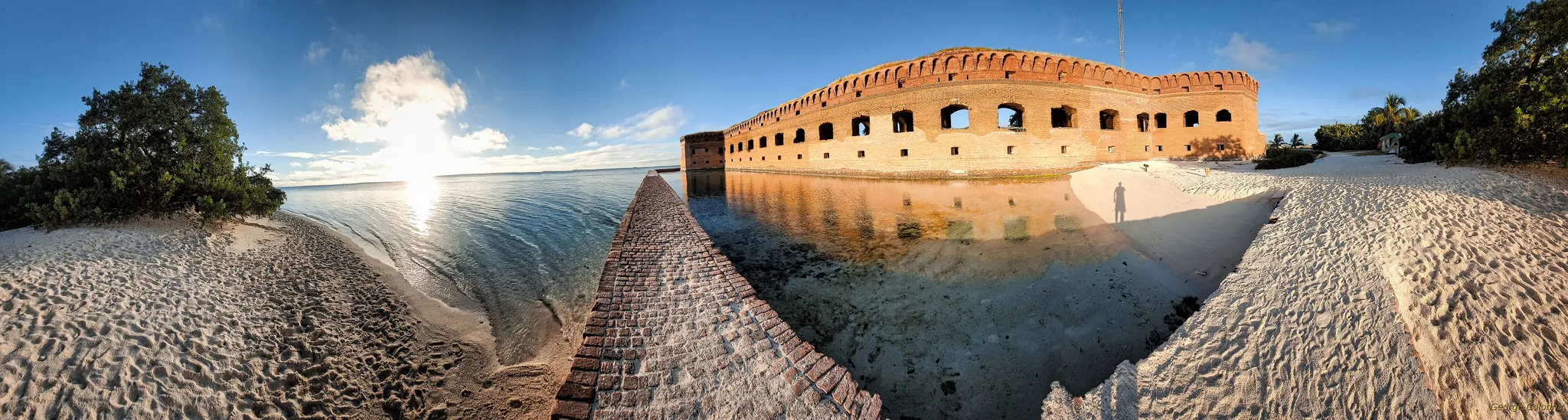 George Colonna
Maryland, United States
12 work samples
Started flying drones for General Dynamics Robotics Systems in 2009 as the subject matter expert and lead test engineer for RCTA and a program called the Soldier Machine Interface. We developed leader/follower code for up-armored autonomous assets a full decade before Google fielded their driverless car "train" and a UI that let soldiers/marines plan missions on the ground and in the air. My job was to ensure the software worked, more importantly, met customer requirements. Working in the field afforded me a wealth of experience regarding process and implementation, but also how to think critically and resolve issues on the fly. If interested in learning more about my credentials, please see my website. My current fleet is primarily DJI and Autel. I have RTK capability and a complete field kit to sustain remote operations for several days.
InspectionMapping / surveyConstructionOtherFilm / TV- K Enagonio

Tennessee, United States
10 work samples
I've been flying since 2015 and specialize in both cinematic filmmaking as well as surveying, construction, sensitive infrastructure capture, and music videos and events.
Film / TVConstructionInspectionEventAgricultureReal estateMapping / surveyOther  Casey Jones
Arizona, United States
9 work samples
FAA Part 107 commercial drone pilot specializing in RTK mapping, aerial photography, thermal imaging, property documentation, construction progress, and detailed site capture. I operate professional DJI aircraft including the Matrice 4E and Matrice 4T, with RTK capability for repeatable, high-quality data collection. I approach each assignment as a complete mission, from airspace and site planning through safe flight operations, field verification, data handling, and final delivery. I serve clients throughout the California, Nevada, and Arizona tri-state region and am available for both individual assignments and multi-site projects.
Real estateEventMapping / surveyConstructionAgricultureOtherInspection
Inspection pilots by state
What the survey covers externally
The roof: plate condition, corrosion and coating breakdown, standing water and ponding, debris, the state of vents, gauge hatches and roof fittings, and any visible deformation. On a floating roof, additionally the primary and secondary seals, the rim space, the roof drains, the legs and the general condition of the deck. The shell: coating condition, corrosion, weld seam appearance, nozzle and manway condition, insulation and cladding where fitted, and any evidence of leakage or staining running down the shell. The top: wind girder, handrails, the top of stairways and platforms. And the surrounds: bund and containment condition, foundation and grouting, settlement indicators, and pipework condition where visible.
Where this sits relative to formal inspection
Tank integrity regimes distinguish between routine in-service external inspections and formal external and internal inspections carried out by certified inspectors on defined intervals. Aerial survey is a strong fit for the routine external category and for supporting the formal external inspection by covering surfaces the inspector cannot easily reach — it does not by itself constitute a certified inspection, and it does not touch the internal inspection at all. Thickness measurement, which is much of what the formal process is about, requires contact with the steel and cannot be done from the air. The realistic framing is that aerial survey makes routine external monitoring cheap enough to do frequently, and gives the certified inspector better information to work from. Where a signed inspection is required, the inspector's certification governs, and you should scope the flight with them.
Internal inspection is a different service
An empty, cleaned tank can be inspected internally by a drone, and it is one of the clearer confined-space applications: a shell and roof interior surveyed by aircraft rather than by scaffolding out the tank or sending people in on rope. It needs a different aircraft — caged, flying without GPS, carrying its own lighting — and it needs the tank to be gas-free and certified safe. It is a genuine specialism with a much smaller pool of operators, and it is worth treating as an entirely separate commission from the external survey rather than an add-on. If you want it, say so explicitly and describe the entry route and the atmosphere.
Scoping and site rules
Give the tank count, diameter and height, the roof type — fixed, external floating, internal floating — and the product, because product classification drives the site rules more than anything else. Say whether the tanks are in service. State your hazardous area requirements and whether a permit to work, escort, gas test or management-of-change is needed before an aircraft is on site. Ask for the report to be indexed per tank and per component with severity classification, and for imagery consistent enough to compare against the next survey. A tank farm is the archetypal case where surveying twenty tanks in one mobilisation costs a fraction of twenty separate visits, so post the whole farm rather than the worst tank.
Common questions
Does this satisfy API 653?
Not on its own. Those regimes specify certified inspectors, defined intervals and thickness measurement that requires contact with the steel. Aerial survey suits routine in-service external monitoring and supports the formal inspection by covering hard-to-reach surfaces — scope it with your certified inspector.
Can a drone inspect the inside of a tank?
Yes, when the tank is empty, cleaned and gas-free, using a caged aircraft that flies without GPS and carries its own lighting. It is a distinct specialism with far fewer operators — commission it separately and describe the entry route and atmosphere.
Can it measure wall thickness?
No. Thickness measurement needs contact with the steel. Aerial survey documents visible condition and tells you where thickness measurement is worth taking.
What does it cost?
Per tank, falling considerably with the number in one mobilisation. Inspection quotes on SkyLog have ranged $100 to about $1,550 with a $300 median across 13 quotes of all types — a tank farm survey with per-tank reporting sits above that. Post the farm for real figures.
Do the tanks need to be out of service?
Not for an external survey — that is much of the point. Internal inspection obviously requires the tank to be empty, cleaned and certified safe.
Is thermal useful on tanks?
It can indicate product level, insulation condition and sometimes wet insulation under cladding, which is a common corrosion-under-insulation precursor. Worth adding if insulation is a concern; say so up front as it changes the payload.
Related drone services
Post your tank survey free
Give the tank count, roof type, product and your permit requirements. Pilots quote the whole farm directly.
- No commission, ever
- Part 107 certified pilots
- No obligation to hire
Prices and guidance on this page were last reviewed .