Drone Services for Roofing Contractors
Most roofing companies reach the same fork: buy an aircraft and get someone certified, or hire pilots per job. The answer usually turns on how many roofs a month you need and how far apart they are — not on the price of the drone.
- Free to post
- No commission on the job
- Part 107 certified pilots
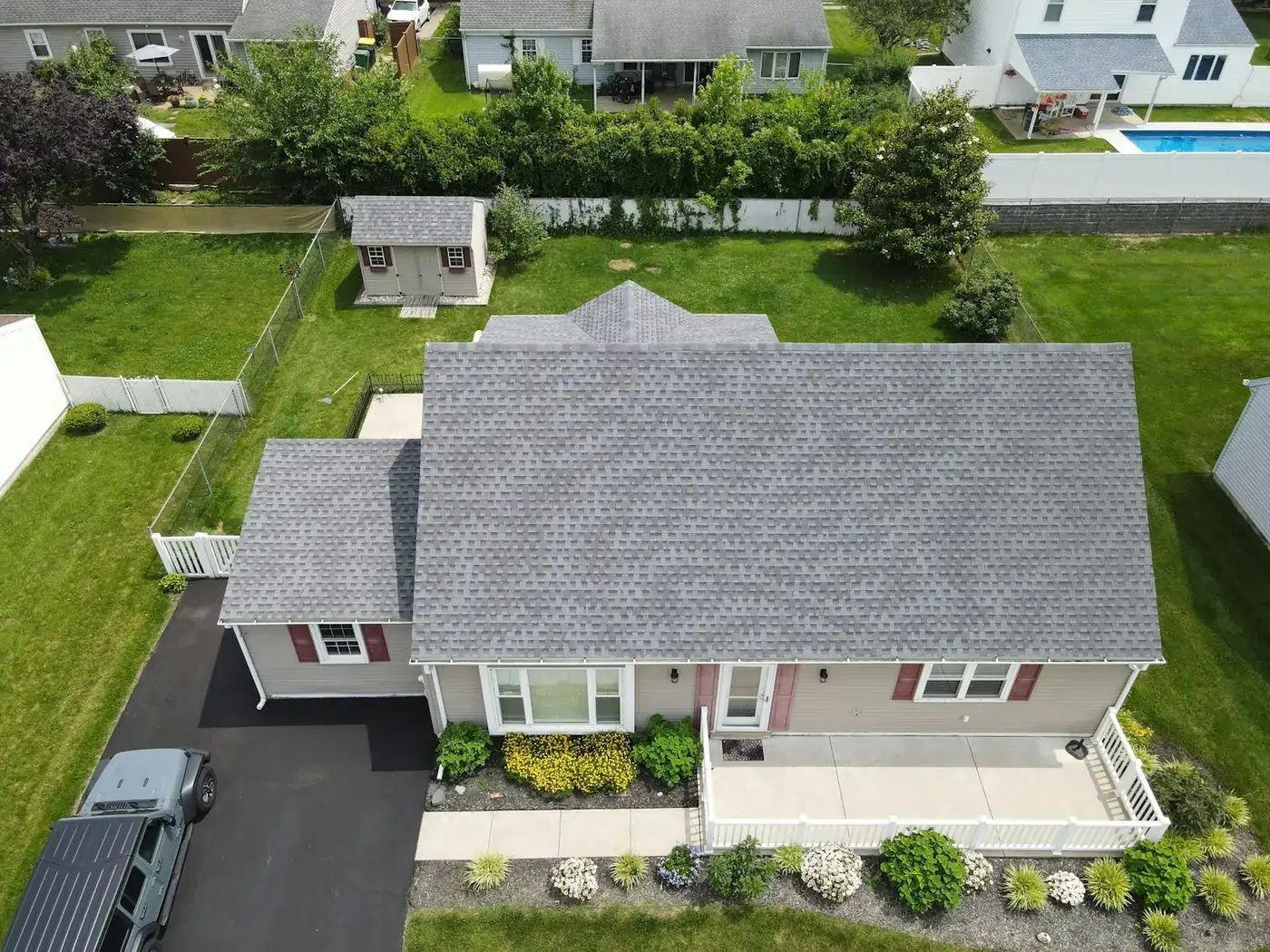

118 inspection pilots ready to quoteAcross 37 states & regions
Measurements and condition in one visit
The flight that produces a measured take-off produces the damage imagery too. Two deliverables, one mobilisation, and no estimator on a ladder for either of them.
Surge capacity you do not carry year-round
After a regional storm the constraint is how many roofs you can get eyes on in a fortnight. Bringing in pilots for the peak is capacity you do not have to employ in February.
No per-report subscription
Post the property, take a quote, pay the pilot. There is no plan, no per-report tariff and no commission — which matters most for the firms pulling a handful of reports a month rather than hundreds.
Free to post
Posting and receiving quotes costs nothing, and SkyLog takes no commission and adds no markup. You pay the pilot you hire, at the price the two of you agree.
Where hiring beats owning
- Surge after a storm, when volume arrives faster than an in-house pilot can fly it.
- Work spread across a wide area, where travel eats the economics of doing it yourself.
- Documentation captured by someone with no stake in the resulting estimate — which matters when a claim is contested.
- A take-off delivered in the format your estimating platform reads, with raw imagery and metadata alongside.
What owning a drone still costs
- Remove the Part 107 certification, and the cost of keeping it current.
- Remove the insurance, the airspace authorisations or the processing software.
- Come free of the employee's day. The aircraft is the cheapest part of owning one.
- Make contractor-captured imagery inadmissible — adjusters look at it daily. It just becomes part of the conversation when a claim is contested.
Plenty of firms do both: in-house for routine, hired for surge and for anything going to a carrier. Independent capture costs a couple of hundred dollars and removes the argument entirely.
How it works
Three steps, no account needed to start, and nothing to pay at any point in it.
- 1
Describe the job
The form opens with this page's answers already filled in — service, deliverable, site access. Add the location and anything specific to your site.
- 2
Pilots quote it
Every pilot whose service area and services match is notified. You get itemised quotes back with their credentials, kit and sample work attached.
- 3
Compare and hire
Pick on price, proximity or portfolio, and pay the pilot directly. SkyLog takes no cut and adds no markup to what you agree.
Pilots who list roof work
Real published profiles. Open any one to see credentials, kit, service area and sample work before you post.
 Andy Jones
California, United States
12 work samples
FAA Part 107 Certified Remote Pilot based in Southern California, specializing in construction documentation, infrastructure inspections, mapping, orthomosaics, and aerial imagery. With more than two decades of experience managing complex federal construction projects, I understand the importance of accuracy, safety, and delivering actionable data—not just photos. I operate professional DJI Enterprise aircraft, including the DJI Matrice 4E, DJI Matrice 4T, as well as the DJI Air 3S for high-resolution imaging and the DJI Neo 2 for specialized close-range operations. My services include construction progress documentation, roof and property inspections, land development, infrastructure photography, photogrammetry, mapping, and custom aerial imaging. I also conduct search operations for lost pets using aerial search techniques and thermal imaging. Every mission is conducted in compliance with FAA regulations, with careful mission planning, clear communication, and a commitment to delivering high-quality results on schedule. Whether you need a single inspection or recurring project documentation, my goal is to provide reliable aerial data you can confidently use to make decisions.
Real estateEventInspectionMapping / surveyConstructionAgricultureOtherFilm / TVWedding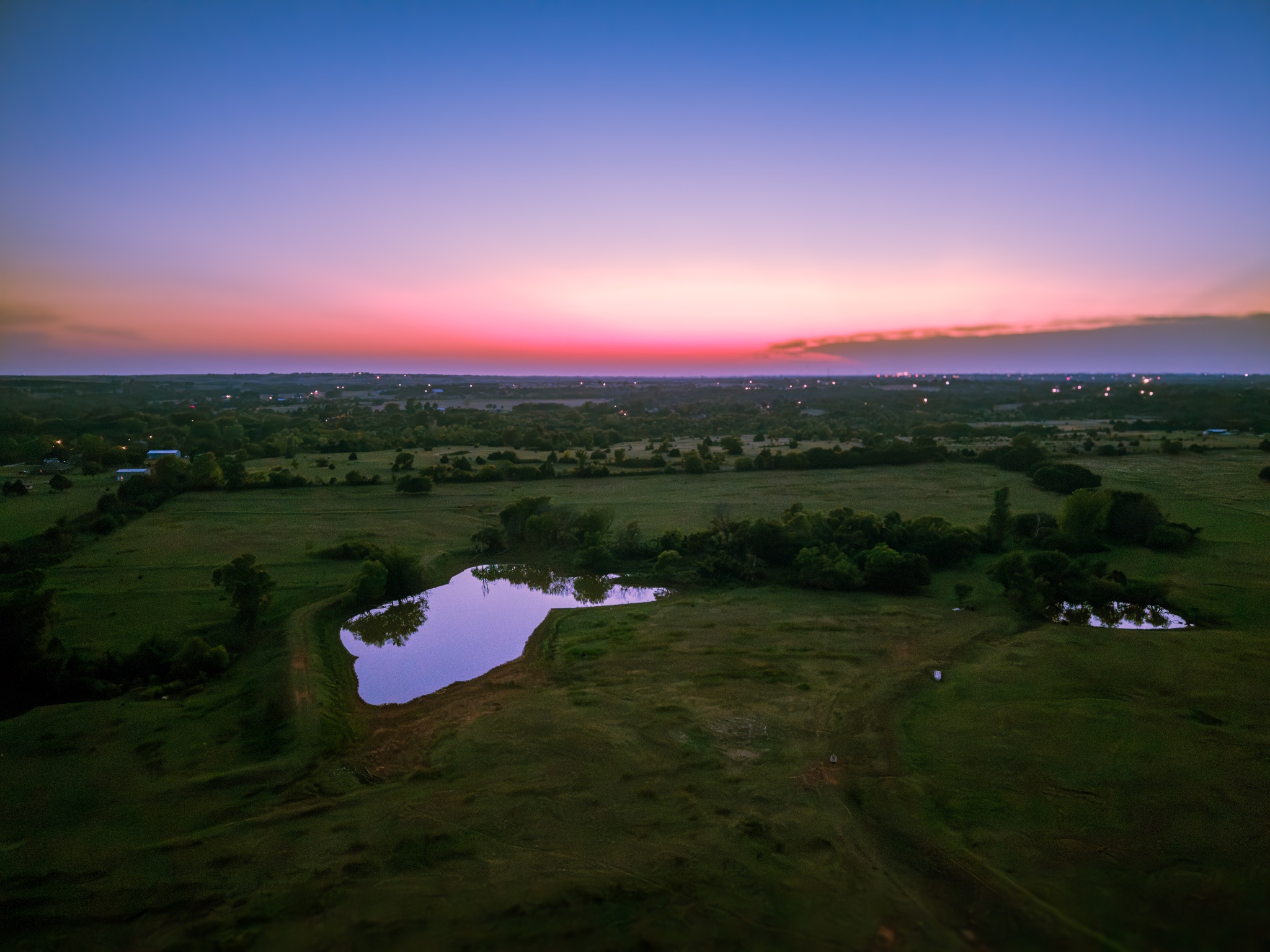 Nick Bowen
Oklahoma, United States
3 work samples
CreekBridge Media is fully Part 107 Licensed with the FAA for Commercial Drone Services and Insured for everybody's protection. All flights are thoroughly researched and planned out in advance, and all flight data is logged and archived via AirData UAV. CreekBridge media follows FAA 14 CFR Part 107 regulations for small Unmanned Aircraft Systems (sUAS) and reserves the right to deny services that are unsafe or in violation of Part 107 regulations. CreekBridge Media specializes in Real Estate, Roof Inspection, General Photography and Videography including editing.
Real estateInspectionWeddingEventConstructionOtherFilm / TV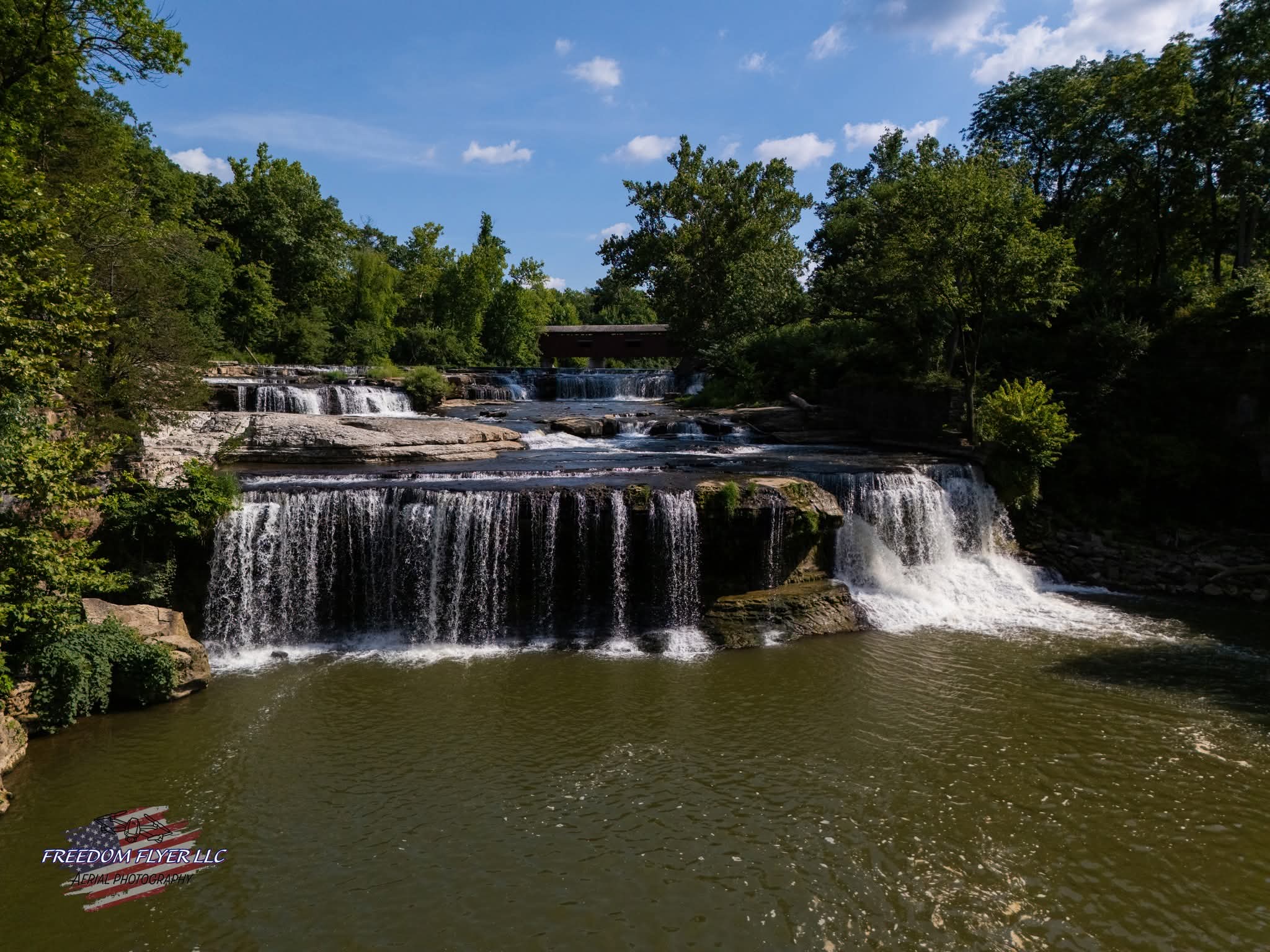 Matthew Watson
Indiana, United States
3 work samples
I am a Part 107 certified drone pilot. I have been flying drones professionally for two years and recreationally for another 3 years before that. Freedom Flyer LLC is a Christian, veteran owned company. My goal is to capture and create the highest quality aerial imagery for my customers.
Real estateEventOtherInspection- JDJohn Daily
Minnesota, United States
3 work samples
Experienced highly in telecom inspections. Also conducts building inspections, roof inspections, pavement inspections, mapping, real estate photography, and 3D scanning. I have 2-Mavic 3 Enterprises, Matterport Pro 3, Insta360 X4, Gopro 360 MAX, Gopro Hero 10, DRTK-2 base station, a camper for long term site projects, an in vehicle/tent setup for short term projects, I also have a contractor that assists as a visual observer and ground work contractor.
Real estateInspectionMapping / surveyConstructionAgriculture - RTRonald Tindall
Michigan, United States
2 work samples
Hawkline Aerial LLC provides more then just images. We provide progress reports and verifiable proof.
InspectionMapping / surveyAgricultureConstructionReal estate 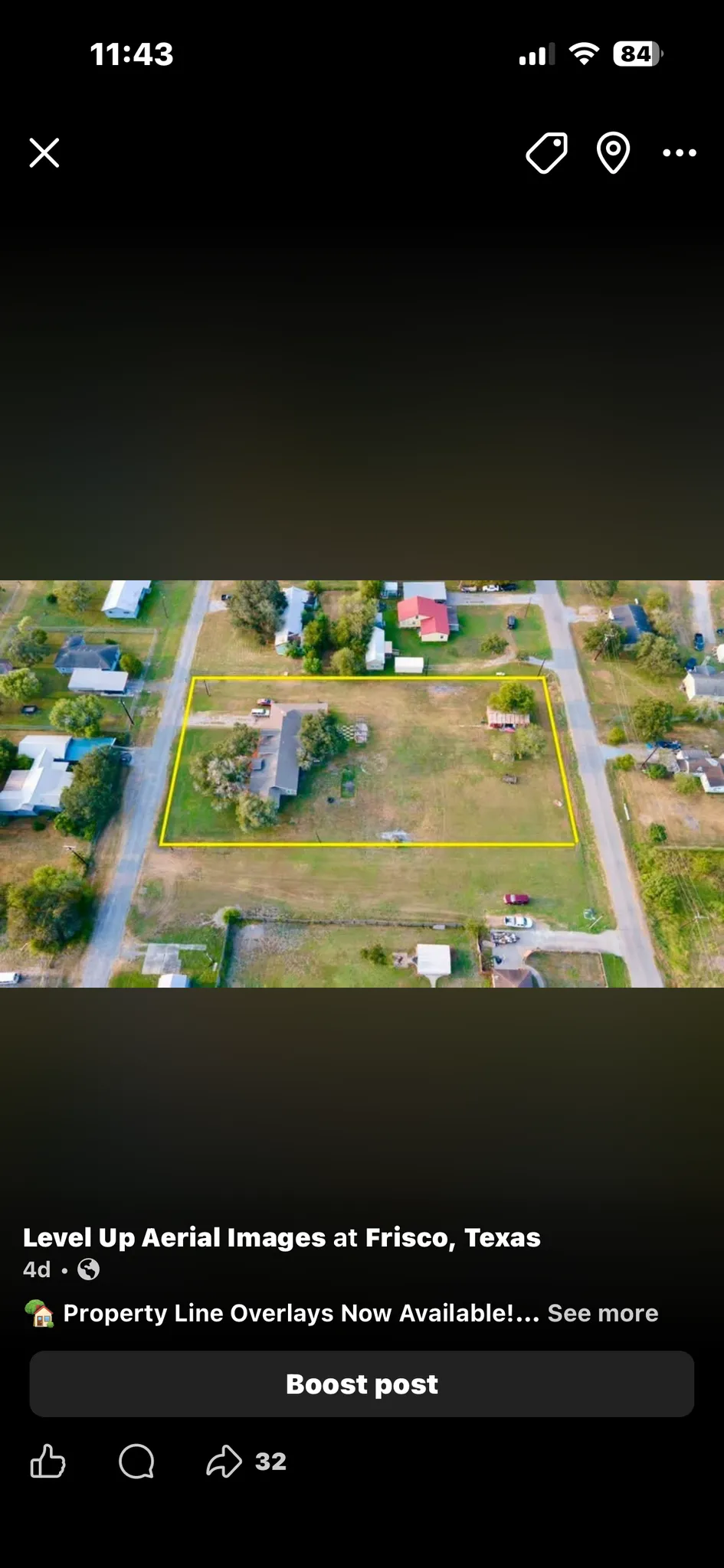 chris aldridge
Texas, United States
20 work samples
I’m a commercial drone pilot providing aerial mapping, property line overlays, topographic mapping, construction site data, radiometric thermal inspections, 3D modeling, real estate listing photography and video, property marketing, and professional aerial imagery for businesses and landowners.
Real estateWeddingEventInspectionMapping / surveyFilm / TVConstructionOther
Inspection pilots by state
Buying versus hiring, honestly
Buying makes sense at volume and at density. If you are inspecting several roofs a week inside a compact service area, an in-house pilot amortises quickly and gives you same-day response — which is worth real money in a sales process. The costs people underestimate are not the aircraft: it is the Part 107 certification and keeping it current, the insurance, the airspace authorisations, the processing software, and the fact that the person flying is an employee whose day it takes. Hiring makes sense when volume is lumpy, when the work is spread across a wide area, when you need to cover a storm you did not plan for, or when you want documentation captured by someone with no stake in the resulting estimate. Plenty of firms do both: in-house for routine, hired for surge and for anything going to a carrier.
Independence is worth something in a claim
This is the argument for hiring that has nothing to do with cost. Where imagery supports an insurance claim, a set captured by a contractor who will also bid the repair is easier to question than one captured by a third party whose entire involvement was photographing the roof. It does not make contractor-captured imagery inadmissible or dishonest, and adjusters look at it every day. But when a claim is contested, the provenance of the evidence becomes part of the conversation, and independent capture costs a couple of hundred dollars and removes the argument entirely.
What to specify so the file is usable
Say which estimating platform the take-off is going into, and in what format, before the flight. Say whether you need pitch per facet or a predominant pitch. Ask for the raw imagery as well as the report, with capture metadata intact, because that is what a carrier or a second opinion will look at. Specify establishing shots of the whole property, each elevation square-on, and close detail on flashing, valleys, penetrations and soft metal — the soft metal in particular, because dented gutters and vents corroborate a storm date in a way shingle granule loss alone does not. And if the roof has anything unusual on it, say so: skylights, solar arrays and rooftop plant are where a clean take-off turns into a phone call.
Working with pilots at volume
If you are commissioning regularly, post the work as a series rather than as individual jobs. A pilot deciding between one roof and a standing arrangement will price the second differently, and you get consistency of capture as a side effect — the same person flying the same pattern means your files look alike, which matters when an estimator is working through twenty of them. Agree ownership of the imagery in writing at the start. And after a storm, post early: the pilots in your area fill their diaries within days, and the firms that got their documentation done are the ones who posted before the queue formed.
Common questions
Should we buy a drone or hire pilots?
Buy if you are flying several roofs a week in a compact area and can carry the certification, insurance and software. Hire if volume is lumpy, the area is wide, you need storm surge capacity, or the imagery is going to a carrier and independence has value. Many firms do both.
Can a pilot deliver measurements our estimating software reads?
Yes, if you name the platform and format before the flight. Retrofitting a format afterwards is a second piece of work, and it is the single most common reason a report has to be redone.
How accurate are drone roof measurements?
A properly flown and processed take-off is typically within a few percent of a careful hand measurement, which usually sits inside normal waste allowances. Accuracy suffers where facets are hidden by canopy or by roof geometry, so ask what a provider does about planes they could not see.
What does it cost per roof?
Quoted per property rather than tariffed, and lower per unit when posted as a series. Across all inspection work quoted on SkyLog the median has been $300 from 13 quotes — a small sample spanning every inspection type, so post the actual properties for real numbers.
Can pilots handle a storm response across a region?
Some travel and price mobilisation accordingly. Post the region, the expected volume and the likely duration rather than one address — that is the post a pilot can plan a fortnight around.
Do we own the imagery?
Whatever you agree, so agree it before the first flight. If files may end up in a claim or a dispute, settle ownership, retention and originals handling in writing rather than assuming.
Related drone services
Post your roofs free
One property or a storm's worth. Say what format your estimating needs and pilots will quote directly.
- No commission, ever
- Part 107 certified pilots
- No obligation to hire
Prices and guidance on this page were last reviewed .