Hail Damage Drone Inspection
Hail damage is unusually easy to miss from the ground and unusually easy to argue about later. Both facts point the same way: get the roof photographed properly, soon, at a resolution where individual impact marks are visible.
- Free to post
- No commission on the job
- Part 107 certified pilots


118 inspection pilots ready to quoteAcross 37 states & regions
Photograph it before the next storm
The strongest version of your documentation is the one captured before anything else happens to the roof. Once a second event lands, separating the two becomes somebody's judgement call rather than a matter of record.
Resolution is the whole job
Hail bruising and granule loss are small-scale features. An overview flight at fifty metres will not resolve them; close, square-on passes at consistent height will. This is the difference between imagery that settles a question and imagery that raises one.
Nobody on a compromised roof
Fresh hail damage means loosened material and, often, a wet surface. This is exactly the roof you should not be walking, and the reason aerial documentation became standard for it.
Free to post
Posting and receiving quotes costs nothing, and SkyLog takes no commission and adds no markup. You pay the pilot you hire, at the price the two of you agree.
What this settles
- Documents granule loss — the dark circular spots where the protective surface has been knocked off — across every slope.
- Captures the uneven distribution by elevation that tells you hail arrived at an angle.
- Records the corroborating soft-metal evidence: dents in gutters, downpipes, vents, flashing and roof-mounted equipment.
- Fixes a date. Imagery captured days after a dated storm is a far stronger record than the same roof photographed two years later.
What it does not
- Feel a bruise. On asphalt, impact damage is often easier to feel than to see, and that needs someone on the roof.
- Separate storm granule loss from ordinary ageing on its own — which is exactly the argument a late inspection invites.
- Inspect the deck, or say what is under the covering.
- Decide the claim. It evidences the argument; it does not win it.
Give the date of the storm, not the date you noticed. And be careful with anyone who inspects free, finds damage, and then wants to handle your claim as well as the repair — independent capture keeps those two things separate.
How it works
Three steps, no account needed to start, and nothing to pay at any point in it.
- 1
Describe the job
The form opens with this page's answers already filled in — service, deliverable, site access. Add the location and anything specific to your site.
- 2
Pilots quote it
Every pilot whose service area and services match is notified. You get itemised quotes back with their credentials, kit and sample work attached.
- 3
Compare and hire
Pick on price, proximity or portfolio, and pay the pilot directly. SkyLog takes no cut and adds no markup to what you agree.
Pilots who list roof work
Real published profiles. Open any one to see credentials, kit, service area and sample work before you post.
 Andy Jones
California, United States
12 work samples
FAA Part 107 Certified Remote Pilot based in Southern California, specializing in construction documentation, infrastructure inspections, mapping, orthomosaics, and aerial imagery. With more than two decades of experience managing complex federal construction projects, I understand the importance of accuracy, safety, and delivering actionable data—not just photos. I operate professional DJI Enterprise aircraft, including the DJI Matrice 4E, DJI Matrice 4T, as well as the DJI Air 3S for high-resolution imaging and the DJI Neo 2 for specialized close-range operations. My services include construction progress documentation, roof and property inspections, land development, infrastructure photography, photogrammetry, mapping, and custom aerial imaging. I also conduct search operations for lost pets using aerial search techniques and thermal imaging. Every mission is conducted in compliance with FAA regulations, with careful mission planning, clear communication, and a commitment to delivering high-quality results on schedule. Whether you need a single inspection or recurring project documentation, my goal is to provide reliable aerial data you can confidently use to make decisions.
Real estateEventInspectionMapping / surveyConstructionAgricultureOtherFilm / TVWedding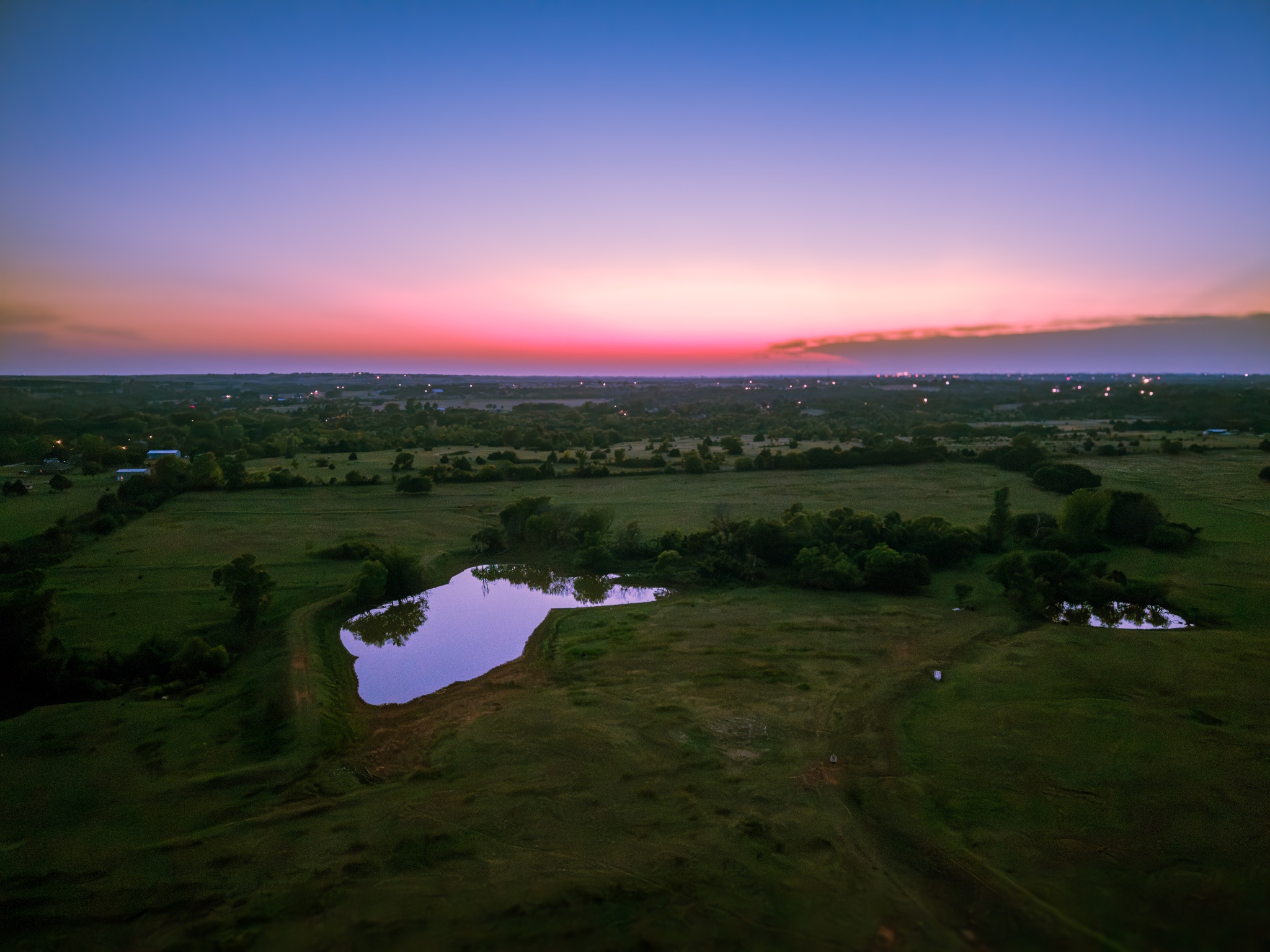 Nick Bowen
Oklahoma, United States
3 work samples
CreekBridge Media is fully Part 107 Licensed with the FAA for Commercial Drone Services and Insured for everybody's protection. All flights are thoroughly researched and planned out in advance, and all flight data is logged and archived via AirData UAV. CreekBridge media follows FAA 14 CFR Part 107 regulations for small Unmanned Aircraft Systems (sUAS) and reserves the right to deny services that are unsafe or in violation of Part 107 regulations. CreekBridge Media specializes in Real Estate, Roof Inspection, General Photography and Videography including editing.
Real estateInspectionWeddingEventConstructionOtherFilm / TV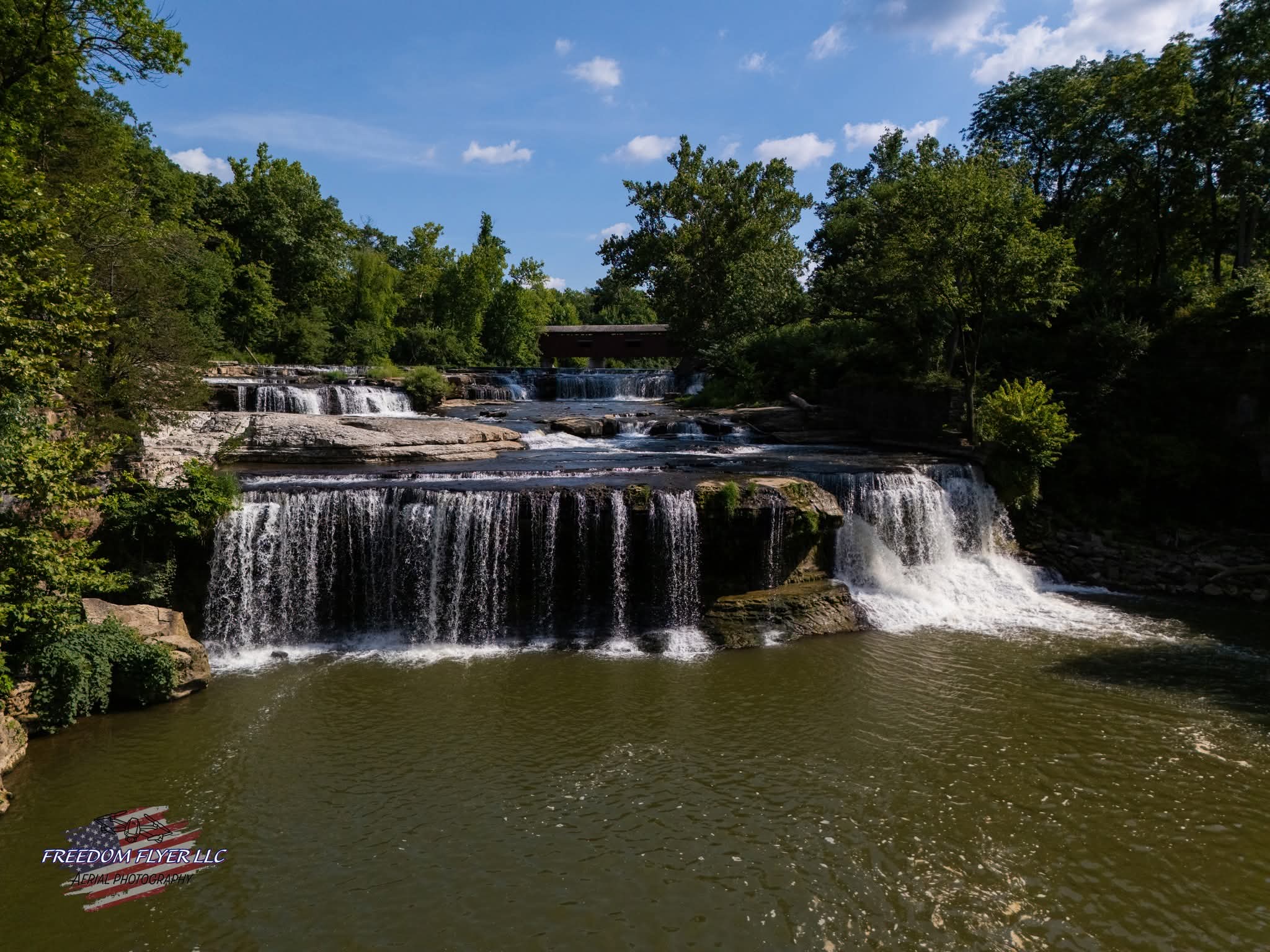 Matthew Watson
Indiana, United States
3 work samples
I am a Part 107 certified drone pilot. I have been flying drones professionally for two years and recreationally for another 3 years before that. Freedom Flyer LLC is a Christian, veteran owned company. My goal is to capture and create the highest quality aerial imagery for my customers.
Real estateEventOtherInspection- JDJohn Daily
Minnesota, United States
3 work samples
Experienced highly in telecom inspections. Also conducts building inspections, roof inspections, pavement inspections, mapping, real estate photography, and 3D scanning. I have 2-Mavic 3 Enterprises, Matterport Pro 3, Insta360 X4, Gopro 360 MAX, Gopro Hero 10, DRTK-2 base station, a camper for long term site projects, an in vehicle/tent setup for short term projects, I also have a contractor that assists as a visual observer and ground work contractor.
Real estateInspectionMapping / surveyConstructionAgriculture - RTRonald Tindall
Michigan, United States
2 work samples
Hawkline Aerial LLC provides more then just images. We provide progress reports and verifiable proof.
InspectionMapping / surveyAgricultureConstructionReal estate 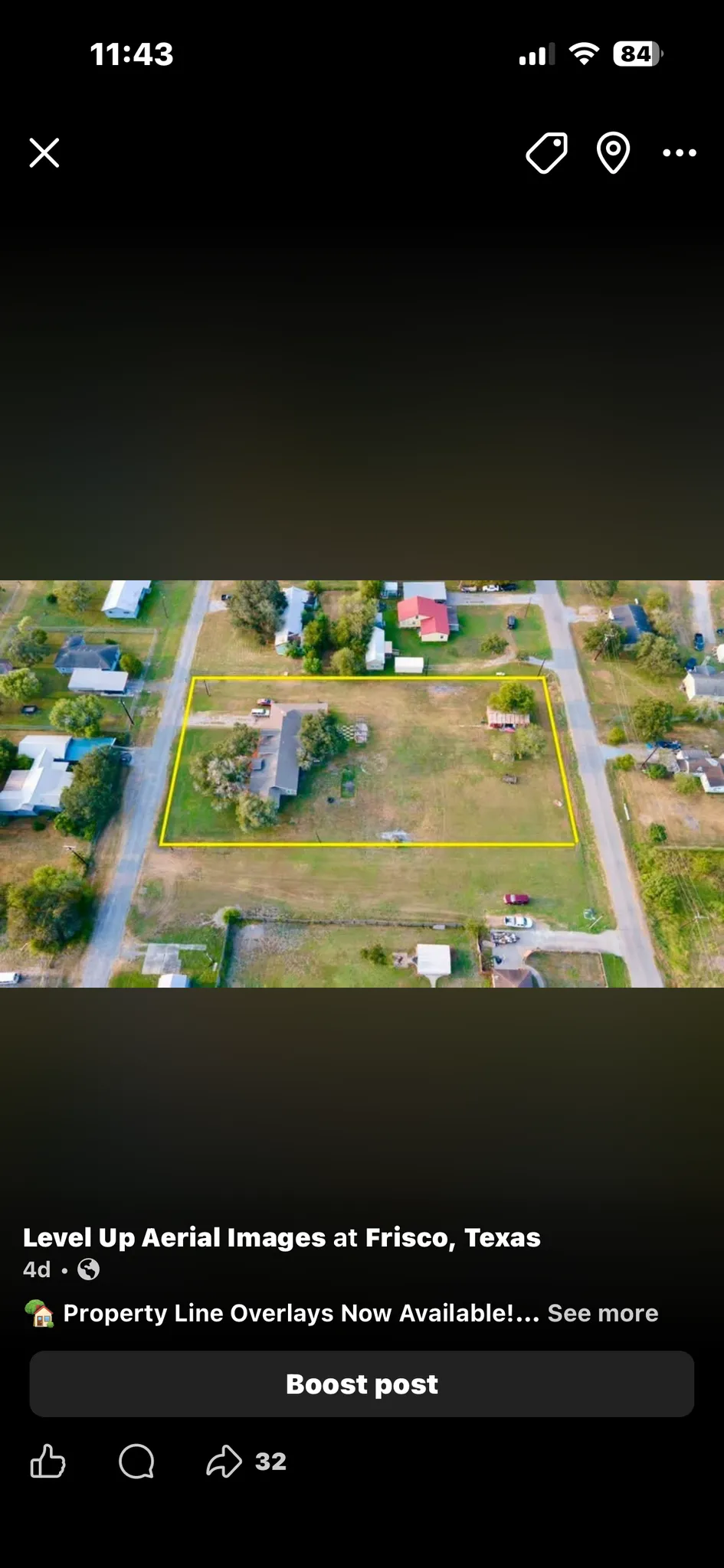 chris aldridge
Texas, United States
20 work samples
I’m a commercial drone pilot providing aerial mapping, property line overlays, topographic mapping, construction site data, radiometric thermal inspections, 3D modeling, real estate listing photography and video, property marketing, and professional aerial imagery for businesses and landowners.
Real estateWeddingEventInspectionMapping / surveyFilm / TVConstructionOther
Inspection pilots by state
What hail damage looks like from above
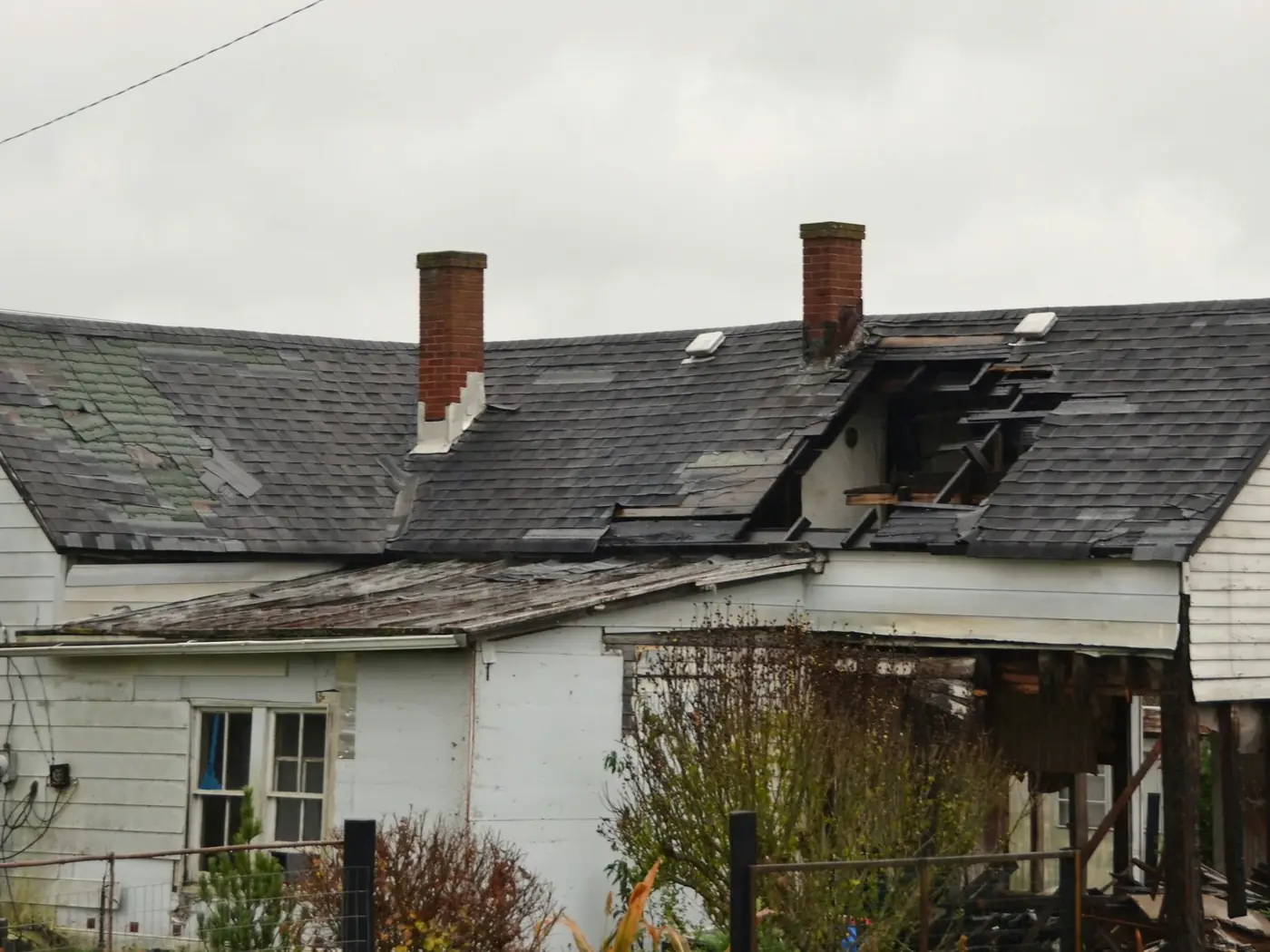
On asphalt shingles, the signature is granule loss — dark, roughly circular spots where the protective surface has been knocked off, exposing the mat beneath — often with a bruise that is easier to feel than to see. Impacts tend to distribute unevenly by slope, because hail arrives at an angle, so the elevation facing the storm can be heavily marked while the opposite one looks untouched. Soft metal is the useful corroborating evidence: dents in gutters, downpipes, vents, flashing and any roof-mounted equipment record the same storm and are far harder to attribute to age. On tile, look for cracking and chipped edges; on a flat membrane, for punctures and displaced surfacing.
Why the date matters more than anything else
The recurring dispute in hail claims is not whether the roof is damaged but when it happened and what caused it. Granule loss also occurs through ordinary ageing, and a roof photographed for the first time two years after the storm invites exactly that argument. Imagery captured days after a dated weather event, showing fresh impacts and matching dents in soft metal, is a much stronger record than the same roof photographed later. If you already have images of the roof from before the storm, keep them — the comparison is worth more than either set alone.
Posting the job well
Give the date of the storm, not just the date you noticed. Say what you can see from the ground and whether anything is currently leaking or tarped, because that changes the urgency and sometimes the sequence. Say whether this is going to a claim, since a pilot who does claims work will capture the establishing shots and the soft-metal detail without being asked. And say how quickly you need it — after a regional storm the constraint is availability, and a poster who is honest about a tight window gets more useful quotes than one who is not.
A word about the knock on the door
Widespread hail is followed by contractors working the neighbourhood, and most are legitimate. The pattern worth being careful with is anyone who inspects for free, finds damage, and then wants to handle your claim as well as the repair. Commissioning your own independent documentation, from someone whose only involvement is capturing what is there, keeps those two things separate — and it costs a fraction of a roof.
Common questions
Can a drone actually see hail damage?
Yes, when it is flown for it. Granule loss and impact bruising are visible in high-resolution imagery captured close and square-on to each slope. They are not reliably visible in a general overview flight, which is why the flight plan matters as much as the camera.
How soon after a storm should I have it done?
As soon as you reasonably can, and ideally before another weather event. There is no hard deadline in the physics — the damage does not disappear — but the evidentiary value of the imagery is highest when it sits close to a dated storm.
Is a drone inspection enough on its own?
For documentation, it is a strong start. It cannot assess the decking underneath, feel for soft spots or lift material to look beneath it, and most claims eventually involve someone physically on the roof. Think of it as the record, not the verdict.
What does it cost?
Typically $150 to $400 for a residential roof, more with thermal or for larger and more complex properties. Post the roof and compare — after a regional storm, availability moves prices more than the roof does.
Should I ask for thermal?
For impact damage, usually not — visual resolution is what matters. Add thermal if water has already got in and you need to document where it is sitting, which is a different question from whether the roof was struck.
My insurer already sent someone. Is my own inspection worth it?
It can be, particularly if you disagree with the finding or the inspection happened long after the event. It is your record of the roof, captured independently and dated. What it is not is a negotiation — that is what a licensed public adjuster does.
Related drone services
Get your hail-damaged roof documented
Post the storm date and what you can see. Pilots near you quote directly, and posting costs nothing.
- No commission, ever
- Part 107 certified pilots
- No obligation to hire
Prices and guidance on this page were last reviewed .