Drone Water Tower Inspection
Recoating an elevated tank is a six-figure decision made from information that used to require a climbing crew to gather. Getting that information annually rather than once a decade changes when the decision gets made, and usually what it costs.
- Free to post
- No commission on the job
- Part 107 certified pilots

117 inspection pilots ready to quoteAcross 37 states & regions
Coating condition, tracked
Rust bleed, chalking, blistering and coating failure are progressive and photograph well. A yearly survey turns "the tank needs painting sometime" into a defensible line in a capital plan.
No climb to assess
The routine look does not need a climbing crew, harnesses or a confined-space entry. Those get reserved for the work that genuinely needs hands on steel.
Evidence for a public budget
Dated imagery of the bowl and the logo side is unusually persuasive in front of a council or a board — considerably more so than a line item labelled deferred maintenance.
Free to post
Posting and receiving quotes costs nothing, and SkyLog takes no commission and adds no markup. You pay the pilot you hire, at the price the two of you agree.
What this settles
- Bowl exterior: coating condition, rust bleed, blistering, chalking, and visible pitting or section loss, plus weld seams and plate laps.
- The tank roof — vent, hatch, overflow and roof-mounted equipment — which is the surface nobody ever sees and frequently the worst.
- Riser or support structure, bracing connections, ladders, cages, platforms and safety climb devices.
- Mounted telecom equipment and cabling, cathodic protection and grounding where visible, and the foundation, anchor bolts and grouting.
What it does not
- Satisfy an interior inspection requirement, or substitute for a certified inspector's assessment.
- Inspect the interior at all — that needs the tank drained and a different aircraft entirely.
- Measure remaining steel thickness or coating film thickness.
- Be comparable year on year unless the same elevations are flown at the same heights and the survey conditions are recorded.
Where it earns its place is the years between statutory inspections: catching coating deterioration early and giving you evidence to budget a recoat before the steel starts losing section.
How it works
Three steps, no account needed to start, and nothing to pay at any point in it.
- 1
Describe the job
The form opens with this page's answers already filled in — service, deliverable, site access. Add the location and anything specific to your site.
- 2
Pilots quote it
Every pilot whose service area and services match is notified. You get itemised quotes back with their credentials, kit and sample work attached.
- 3
Compare and hire
Pick on price, proximity or portfolio, and pay the pilot directly. SkyLog takes no cut and adds no markup to what you agree.
Inspection pilots with published profiles
Real published profiles. Open any one to see credentials, kit, service area and sample work before you post.
 chris aldridge
Texas, United States
20 work samples
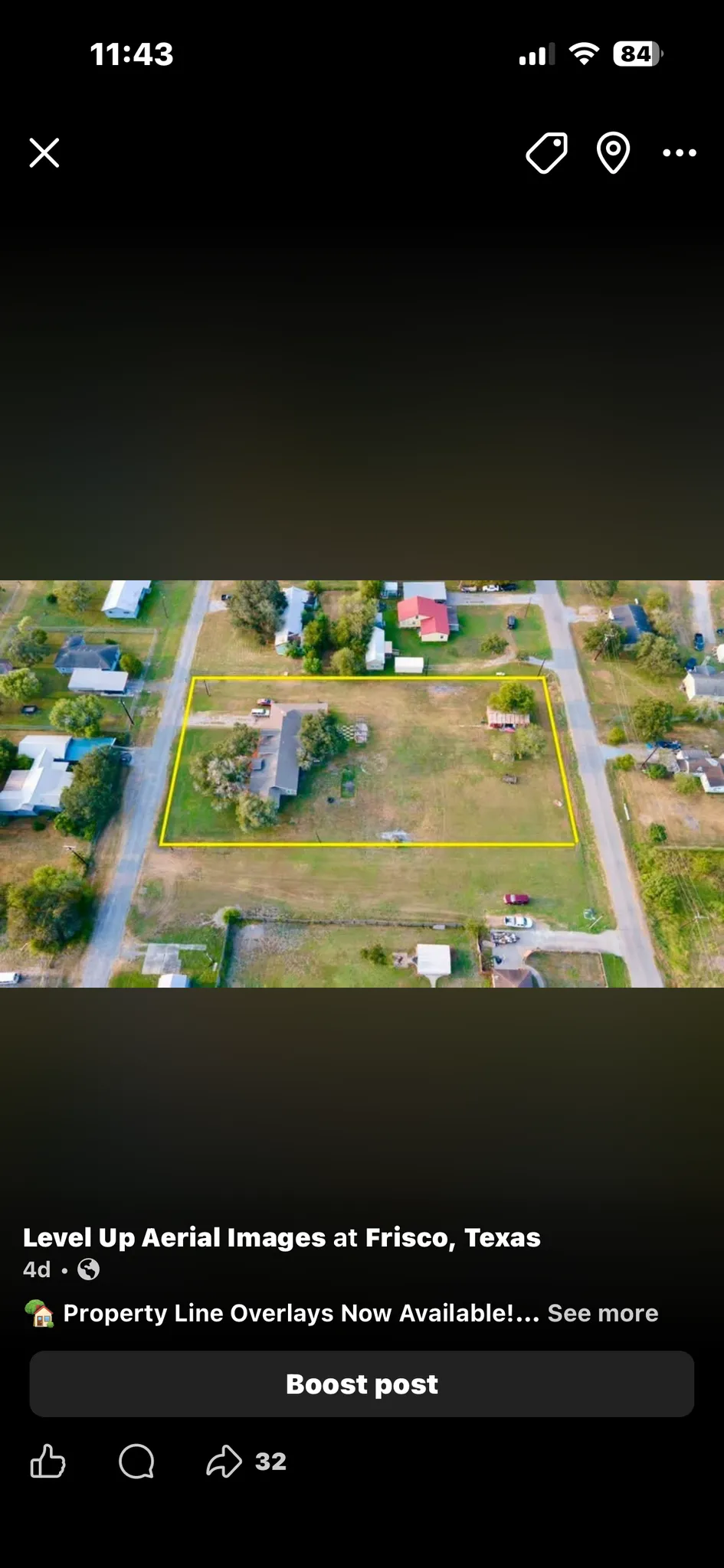
I’m a commercial drone pilot providing aerial mapping, property line overlays, topographic mapping, construction site data, radiometric thermal inspections, 3D modeling, real estate listing photography and video, property marketing, and professional aerial imagery for businesses and landowners.
Real estateWeddingEventInspectionMapping / surveyFilm / TVConstructionOther- George Benes

Oregon, United States
13 work samples
I've been a Part 107 drone pilot since 2019, working with Pacific Northwest clients on Real estate, construction progress, mapping, telecom inspections, architectural photography and events. I am very flexible and can provide deliverables within 24 - 48 hours. I take great pride in my work and having a photography business, my delivered photos are edited and culled to the best of the best. I worked for 30+ years as a commercial construction Superintendent, managing multi-million dollar construction projects and this experience allows me to be very safety oriented and knowledgeable on construction sites, providing the construction companies with usable deliverables that they can share with all stakeholders involved in their building project.
Real estateEventInspectionMapping / surveyConstruction  Andy Jones
California, United States
12 work samples
FAA Part 107 Certified Remote Pilot based in Southern California, specializing in construction documentation, infrastructure inspections, mapping, orthomosaics, and aerial imagery. With more than two decades of experience managing complex federal construction projects, I understand the importance of accuracy, safety, and delivering actionable data—not just photos. I operate professional DJI Enterprise aircraft, including the DJI Matrice 4E, DJI Matrice 4T, as well as the DJI Air 3S for high-resolution imaging and the DJI Neo 2 for specialized close-range operations. My services include construction progress documentation, roof and property inspections, land development, infrastructure photography, photogrammetry, mapping, and custom aerial imaging. I also conduct search operations for lost pets using aerial search techniques and thermal imaging. Every mission is conducted in compliance with FAA regulations, with careful mission planning, clear communication, and a commitment to delivering high-quality results on schedule. Whether you need a single inspection or recurring project documentation, my goal is to provide reliable aerial data you can confidently use to make decisions.
Real estateEventInspectionMapping / surveyConstructionAgricultureOtherFilm / TVWedding George Colonna
Maryland, United States
12 work samples
Started flying drones for General Dynamics Robotics Systems in 2009 as the subject matter expert and lead test engineer for RCTA and a program called the Soldier Machine Interface. We developed leader/follower code for up-armored autonomous assets a full decade before Google fielded their driverless car "train" and a UI that let soldiers/marines plan missions on the ground and in the air. My job was to ensure the software worked, more importantly, met customer requirements. Working in the field afforded me a wealth of experience regarding process and implementation, but also how to think critically and resolve issues on the fly. If interested in learning more about my credentials, please see my website. My current fleet is primarily DJI and Autel. I have RTK capability and a complete field kit to sustain remote operations for several days.
InspectionMapping / surveyConstructionOtherFilm / TV- K Enagonio

Tennessee, United States
10 work samples
I've been flying since 2015 and specialize in both cinematic filmmaking as well as surveying, construction, sensitive infrastructure capture, and music videos and events.
Film / TVConstructionInspectionEventAgricultureReal estateMapping / surveyOther  Casey Jones
Arizona, United States
9 work samples
FAA Part 107 commercial drone pilot specializing in RTK mapping, aerial photography, thermal imaging, property documentation, construction progress, and detailed site capture. I operate professional DJI aircraft including the Matrice 4E and Matrice 4T, with RTK capability for repeatable, high-quality data collection. I approach each assignment as a complete mission, from airspace and site planning through safe flight operations, field verification, data handling, and final delivery. I serve clients throughout the California, Nevada, and Arizona tri-state region and am available for both individual assignments and multi-site projects.
Real estateEventMapping / surveyConstructionAgricultureOtherInspection
Inspection pilots by state
What the survey covers
The bowl or tank exterior: coating condition, rust bleed and staining, blistering, chalking and fading, and any visible pitting or section loss. Weld seams and plate laps. The roof of the tank, including the vent, hatch, overflow and any roof-mounted equipment — this is the surface nobody ever sees and it is frequently the worst. The riser or support structure, whether that is a single pedestal, a multi-leg tower or a legged design with cross-bracing, plus the condition of the bracing connections. Ladders, cages, platforms and safety climb devices. Cathodic protection and grounding where visible. Antennas and mounts, since elevated tanks very often carry telecom equipment and its condition and cabling are worth documenting. And at the base: the foundation, anchor bolts, grouting and the surroundings.
Where it fits your inspection obligations
Potable water storage is regulated, and the regimes generally require periodic inspection covering both exterior and interior, often by inspectors with specific certification, and sometimes with diving or with the tank drained. A drone survey does not satisfy an interior inspection requirement and does not substitute for a certified inspector's assessment. Where it is genuinely useful is in the years between: an annual exterior survey that catches coating deterioration early, documents storm or vandalism damage, and gives you the evidence to schedule and budget a recoat before the steel starts losing section. Check what your state or district requires, then use aerial for the monitoring the requirement does not cover.
The things worth flagging when you post
Tank style — legged, pedestal, composite, standpipe — and capacity, since the flight plan differs a lot between a single pedestal and a multi-leg tower with bracing. Height. When it was last recoated, because a tank ten years past its coating cycle is a different survey brief from one three years in. Whether telecom equipment is mounted, and whether the carrier needs to be notified or the site coordinated. Whether the tower sits in controlled airspace, which for a tall structure near a town is not unusual. And whether you need the interior, because that is a separate service requiring the tank drained and a different aircraft — say so explicitly rather than assuming it is included.
Getting a report that survives a budget cycle
The value of these surveys compounds if they can be compared, and a municipal capital plan runs over years. So fix the capture: the same elevations at the same heights, recorded so a different pilot could reproduce them next year. Ask for a defect list with severity and location rather than a photo folder. Ask for the original files, since the question in four years may be one nobody thought to ask now. And ask for the survey date and conditions on the report — a coating assessment made in flat overcast light is not directly comparable with one made in harsh sun, and anyone reading the two side by side needs to know which is which.
Common questions
Does this replace our required tank inspection?
No. Potable water storage inspection regimes typically require interior and exterior inspection by certified inspectors on a set interval. Aerial survey is for the exterior monitoring in between, and for evidence to plan a recoat.
Can a drone inspect inside the tank?
Only with the tank drained, using a caged aircraft with its own lighting flying without GPS. It is a separate specialism from the exterior survey — commission it separately and say what the access hatch is like.
How much does it cost?
Less than any method involving a climbing crew, and it falls per tank if you have several. Inspection quotes on SkyLog have ranged $100 to about $1,550 with a $300 median across 13 quotes of all types. Post the tower — a municipality with four tanks should post all four.
Can it assess whether we need to recoat?
It documents coating condition in detail, which is the main input to that decision. The decision itself, and any specification for the work, is a coatings professional's call — the survey is what lets them make it without a climb.
What about the antennas on our tank?
They can be documented in the same flight, which is useful when you are dealing with a carrier over lease or condition questions. Mention them when you post, and note any coordination the carrier requires.
Do we need to notify anyone?
Check whether the tower is in controlled airspace — many are, being the tallest thing around. The pilot handles the authorisation, but it has a lead time, so it is worth raising at quote stage rather than the day before.
Related drone services
Post your water tower survey free
Give the tank style, height and when it was last coated. Local pilots quote directly, with no commission.
- No commission, ever
- Part 107 certified pilots
- No obligation to hire
Prices and guidance on this page were last reviewed .